
What Makes a Timber Deck Different From a Standard Deck?

What sets a timber deck apart from other standard decks is its material. A standard deck may be built from wood, composite material, PVC, aluminum, or other materials. In contrast, a timber deck specifically uses natural wood such as pressure-treated lumber, cedar, redwood, or tropical hardwood.
The material choice affects how the space looks, how much upkeep it needs, how it handles weather and wear, and what it may cost over time. Nashville Deck Systems explains how different timber types compare in advantages and drawbacks, and what homeowners should consider when choosing the right wood for their property.
How Is a Timber Deck Different From Other Decks?
Natural wood remains a popular decking material for homeowners who prefer its warmth, grain, and traditional appearance. Pressure-treated pine decking is especially common because it is widely available and relatively affordable. Cedar, redwood, and tropical hardwoods appeal to homeowners looking for a more distinctive or premium timber option.
For properties with a traditional, rustic, craftsman, or otherwise natural architectural style, timber blends easily with the home and surrounding landscape. The trade-off is that real wood generally requires more ongoing care than composite or PVC decking, so it tends to suit homeowners who are comfortable with periodic cleaning, sealing, and staining.
Material
Timber can absorb and release moisture, expand and contract, and change as temperatures shift, making proper installation and finishing important. Wood is also easy to cut, shape, sand, repair, and refinish, which gives homeowners plenty of flexibility during construction and later repairs.
Appearance and Feel
Timber has grain patterns, knots, and color variations that make each board slightly different. It also tends to feel warmer and more natural underfoot. Transparent wood sealers or semi-transparent stain can be applied for a natural look while still ensuring the material lasts for years.
Maintenance
Timber requires more upkeep than PVC or composite decking. Regular cleaning helps prevent dirt, leaves, and other organic debris from trapping moisture against the wood. Staining or sealing provides wood fibers with protection against moisture and UV degradation while enhancing the appearance of the material. Also check periodically for loose fasteners, splinters, cracks, and spots where water tends to collect.
Durability
Timber decking can last for many years, but durability depends on the wood, installation, exposure, and upkeep. Compared with lower-maintenance materials, moisture, insects, sunlight, and repeated temperature changes can take a greater toll if issues are left unchecked. Over time, boards may crack, warp, splinter, or decay. Good drainage and ventilation can make a major difference in protecting the longevity of your outdoor space.
Cost
Depending on the wood you choose, timber can be either budget-friendly or premium. Pressure-treated lumber is usually more affordable, while cedar, redwood, and tropical hardwoods cost more. The upfront price is only one part of the cost breakdown, though. Labor and materials for cleaning, staining, sealing, refinishing, and occasional repairs can add to long-term ownership costs.
What Types of Timber Are Used for Decks?

Not all decking materials perform the same. Some wood species are treated to improve resistance to decay and insects, while others have natural properties that make them suitable for exterior use. The right choice depends on your budget, the look you want, and how much maintenance you are willing to take on, so it helps to compare the options closely.
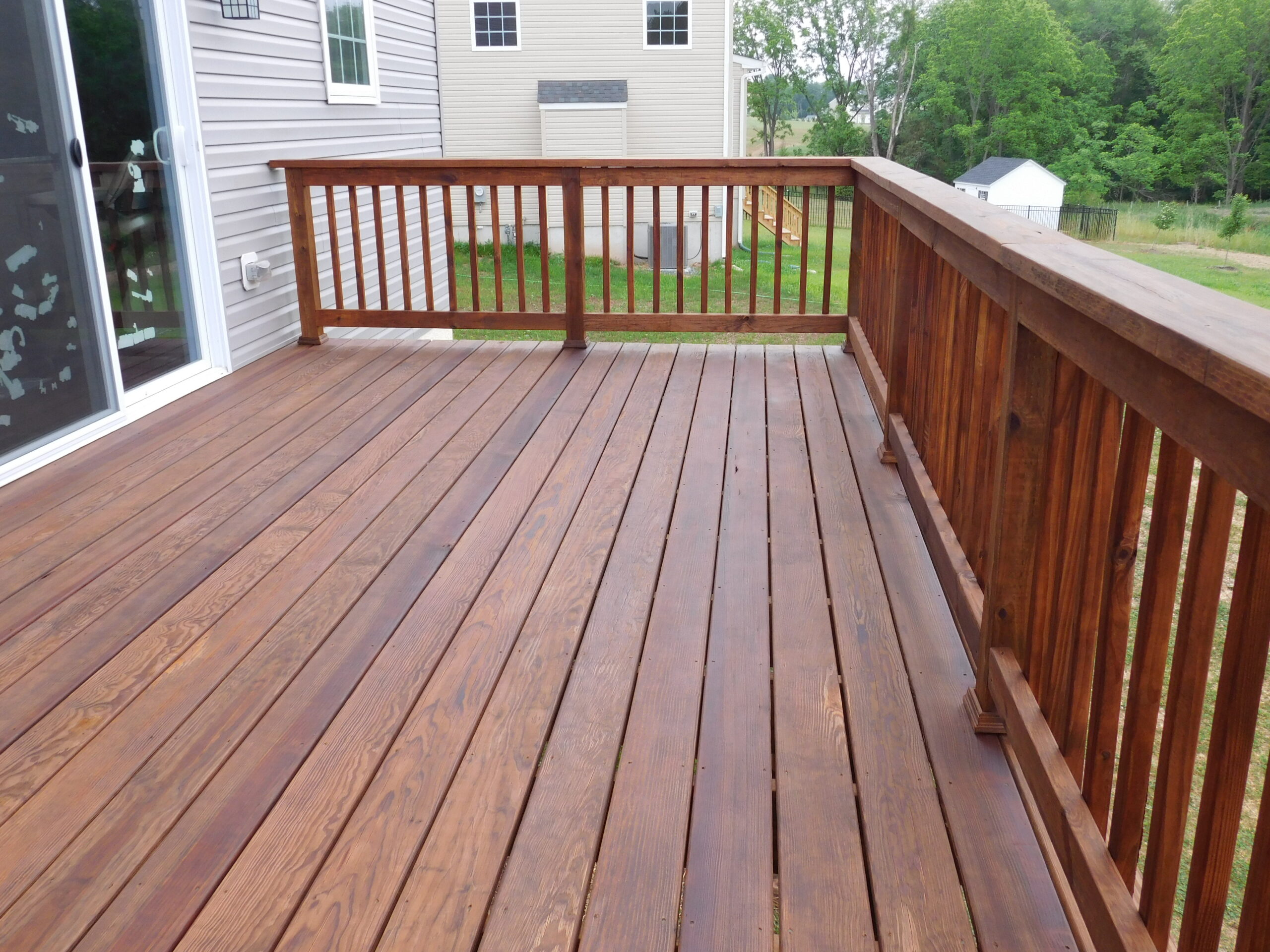
Pressure-Treated Wood
Pressure-treated lumber is one of the most common choices for residential decks in the U.S. The wood is treated with preservatives that help protect it from rot, mold, mildew, and insects. It is widely available and usually more affordable than other timber options, making it a practical choice for homeowners who want real wood decking without a premium price.
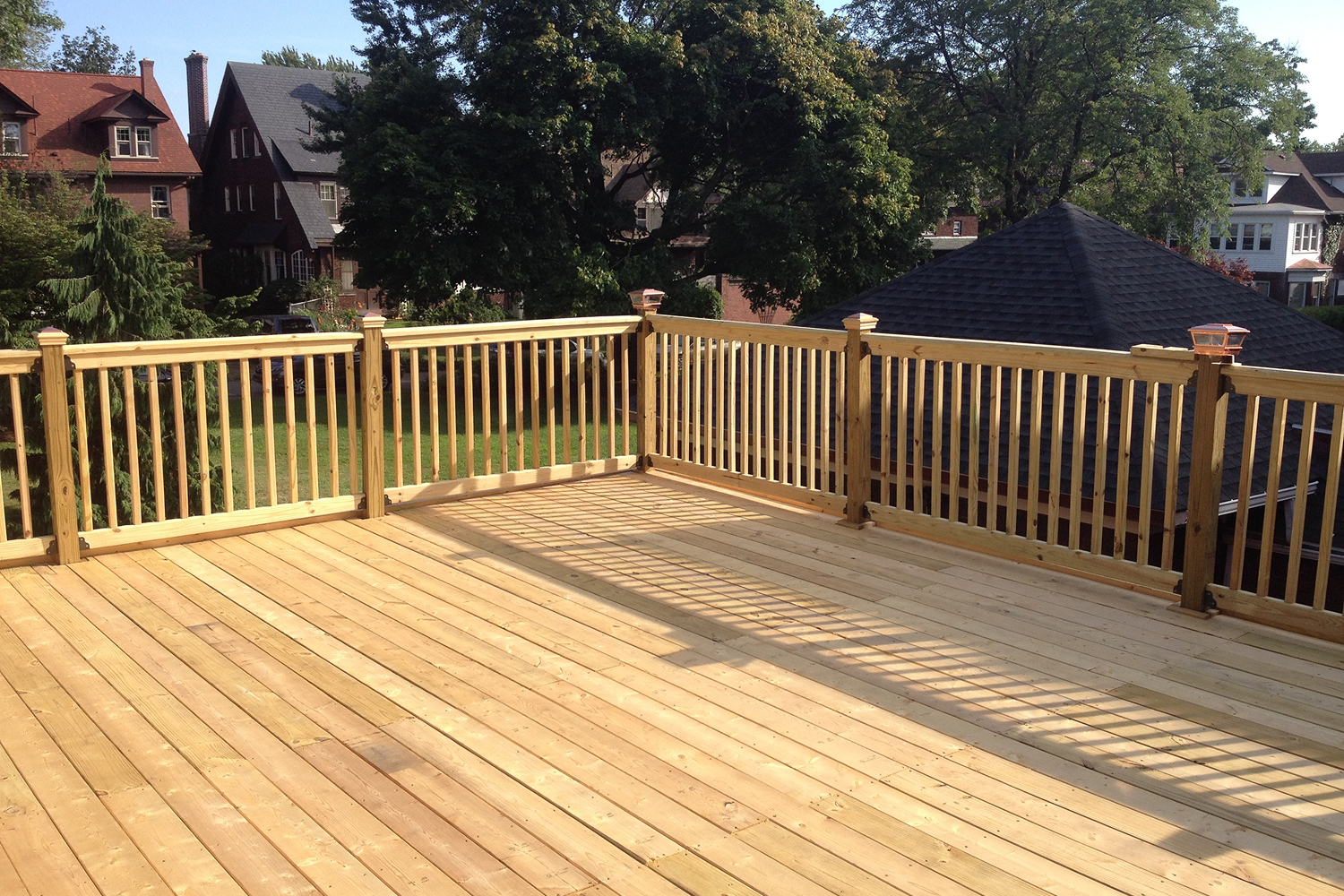
Cedar
Cedar is valued for its warm color, visible grain, and natural resistance to decay and insects. It is lighter and has an attractive appearance with its rich red, brown, and pink hues, but it also costs more. Cedar is not recommended as a structural material due to its softness. It is ideally used for decking boards, rails, stairs, and overhead pergolas.
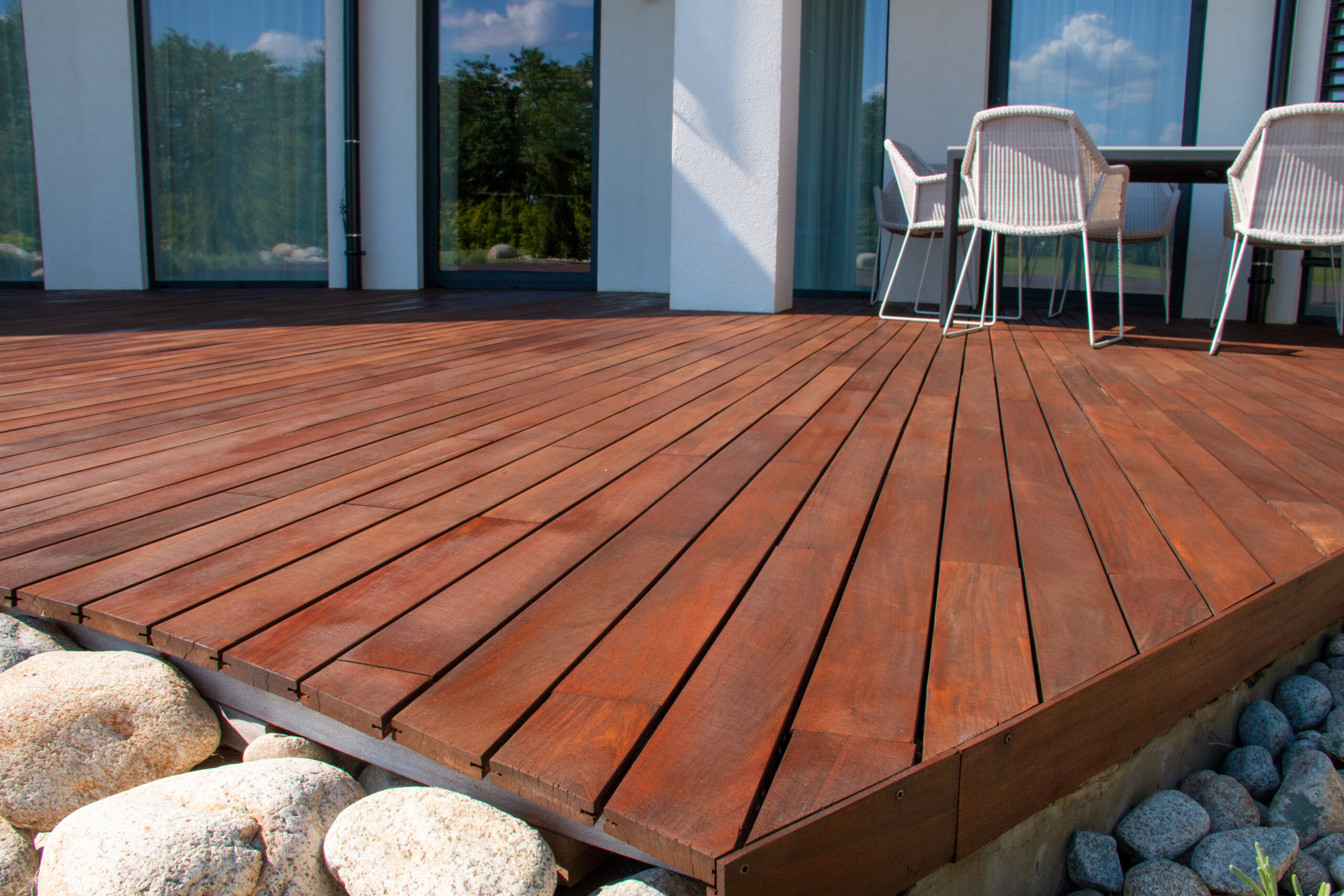
Redwood
Redwood is naturally resistant to decay and insects, and it also holds up well against moisture when properly maintained. It tends to stay relatively stable, so it is less prone to excessive warping or shrinking than some lower-cost softwoods. Its rich color and smooth grain are another draw. The tradeoff is higher cost and limited availability.
Which Timber Material is Right for Your Home?
Choosing the right timber comes down to how the deck needs to fit your home, your habits, and your priorities. No single wood works best for every deck project. The goal is to narrow your options based on the conditions the material will face and the trade-offs you are comfortable making.
Use these questions to guide your decision:
- What is your budget? Set a realistic upfront range before comparing wood species.
- How much upkeep are you comfortable with? Some woods need more regular care than others.
- What look fits your home? Consider color, grain, and how the wood will complement the property.
- How exposed will the material be? Sun, rain, shade from a roof or pergola, and surrounding vegetation can affect which timber is suitable.
- How heavily will you use the space? High-traffic spaces may benefit from denser, more wear-resistant wood.
Choose the Right Timber Deck for Your Home
A timber deck can bring warmth, character, and a natural look to your outdoor space, but the right wood decking material depends on what matters most to you. Consider budget, maintenance, aesthetics, exposure, and daily use to choose the material that best fits your home and priorities.
Nashville Deck Systems can help you compare options and choose a decking material that fits your home, your priorities, and the way you plan to use the space for outdoor living. Contact our team to discuss your project and get started on a deck design for your property.