What Are the Benefits of Commercial Awnings for Businesses?
Commercial awnings can improve how a business uses and presents its exterior spaces. Depending on the design, they can provide shade, protect exposed areas, and make entrances or outdoor spaces more comfortable for customers and employees.
For businesses that rely on foot traffic or outdoor seating, a well-chosen awning can help the exterior work harder without requiring a larger building or a major renovation. Nashville Deck Systems breaks down the main benefits businesses should consider before getting an installation done.
The benefits of a commercial awning depend on where it is installed, how the space is used, and what the business needs from the structure.
Improves Customer Comfort
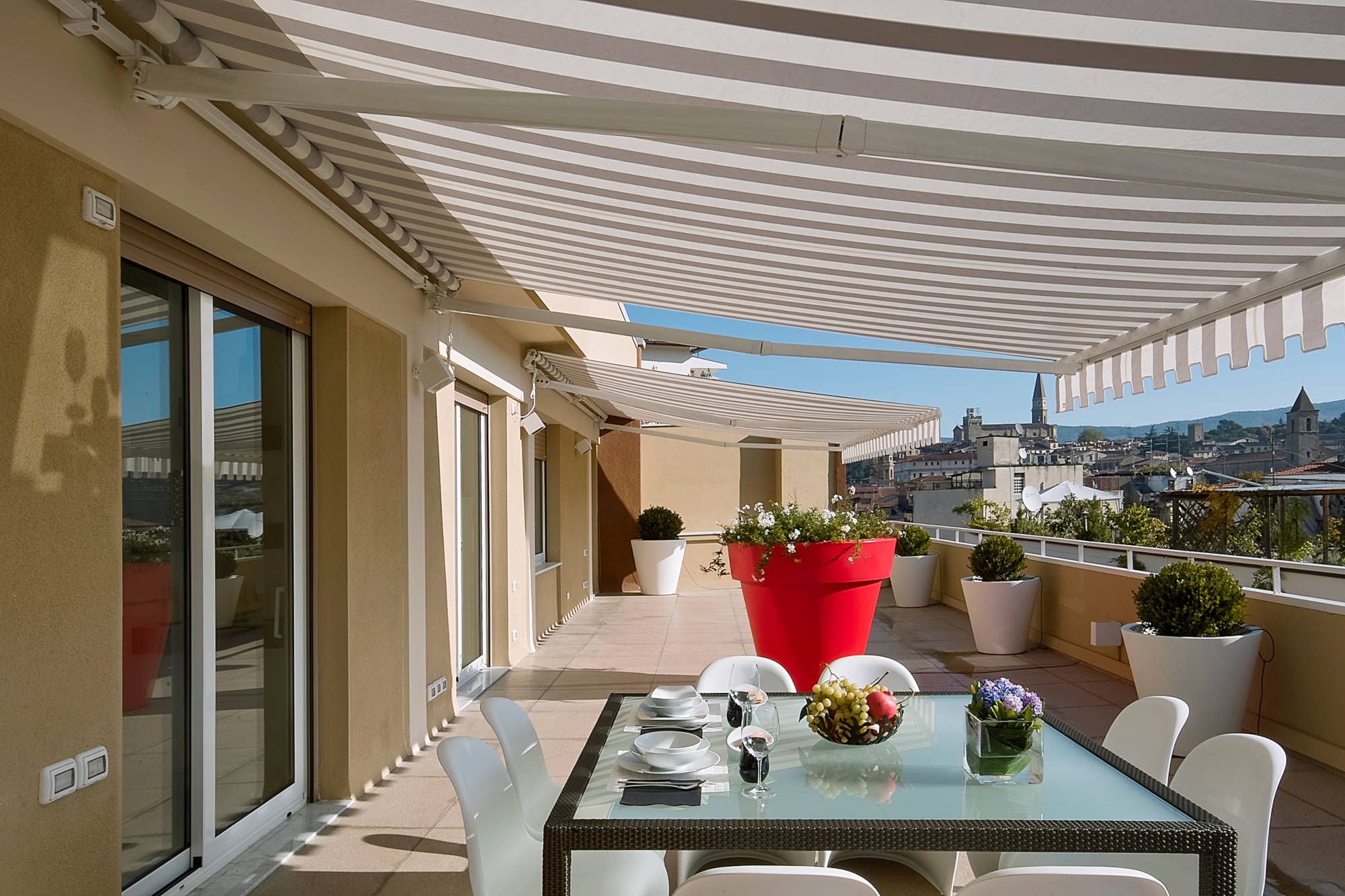
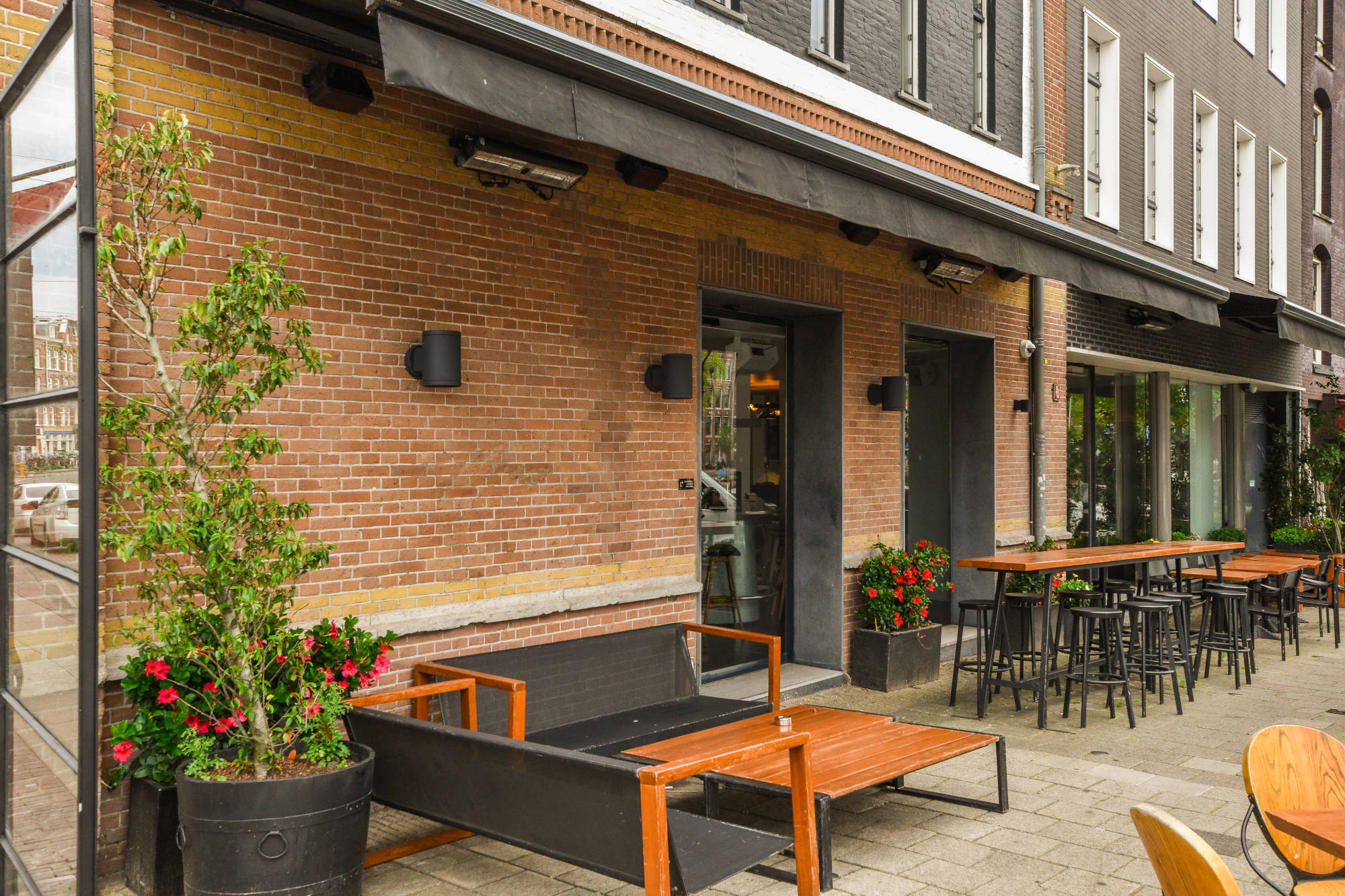
Awnings provide shade over entrances, windows, patios, and waiting areas, helping reduce direct sun and heat exposure. This can improve customer experience in outdoor spaces where they are dining, waiting, browsing, or simply spending time near the entrance. For businesses with outdoor seating or service areas, shade can make these spaces more comfortable to use during periods of strong sun.
Creates More Usable Outdoor Space
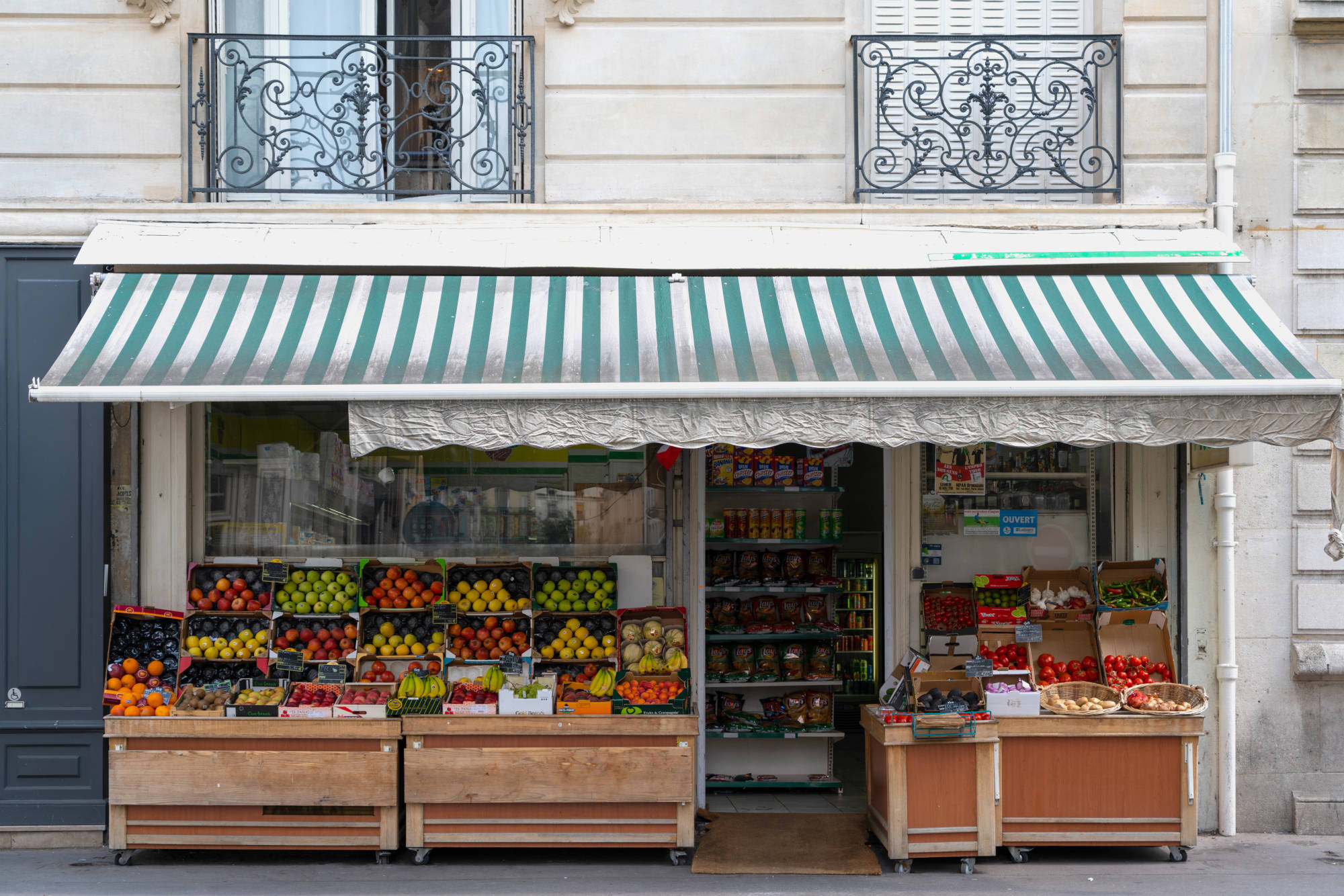
Adding an awning can make outdoor space more practical for seating, displays, queues, pickup areas, or other customer-facing uses during strong sun or light rain. This is especially useful for restaurants, cafes, retail stores, and service businesses that want to get more function out of the space directly outside the building.
Reduces Direct Solar Heat Gain
Awnings shade windows and glass doors before direct sunlight reaches the interior. This can reduce solar heat gain in spaces with strong sun exposure, making them easier to cool and potentially reducing the workload on the building’s air-conditioning system. How well the canopy can provide this effect will still depend on size, window orientation and glazing, and overall building design.
Helps Protect Interiors from Sun Exposure
Prolonged sun exposure can fade merchandise, flooring, upholstery, artwork, and other interior finishes over time. An entrance canopy and window canopies reduce the amount of direct sunlight reaching these surfaces. Adding shade structures can be especially useful for businesses with displays or furnishings near large windows.
Improves Curb Appeal and Helps the Storefront Stand Out
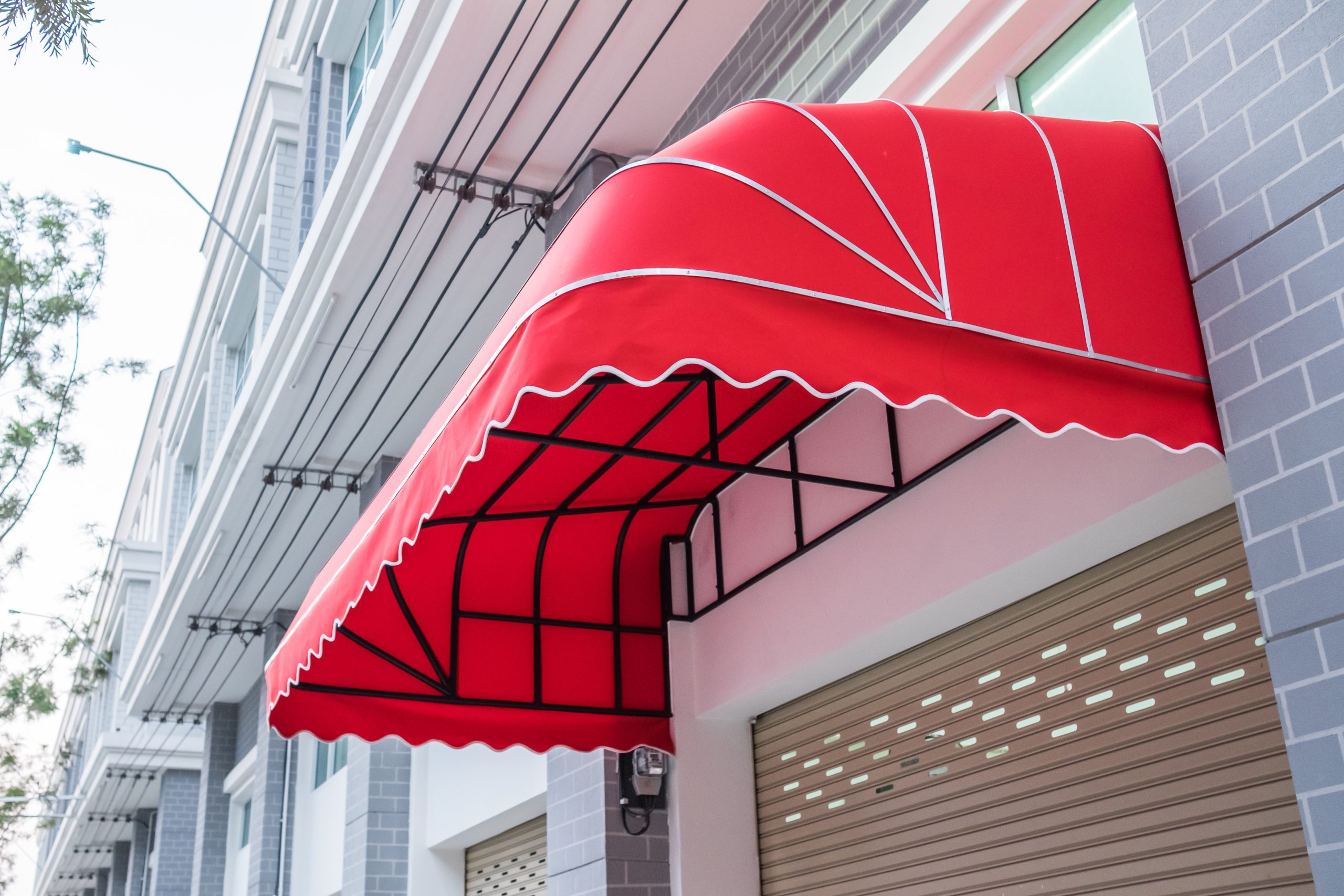
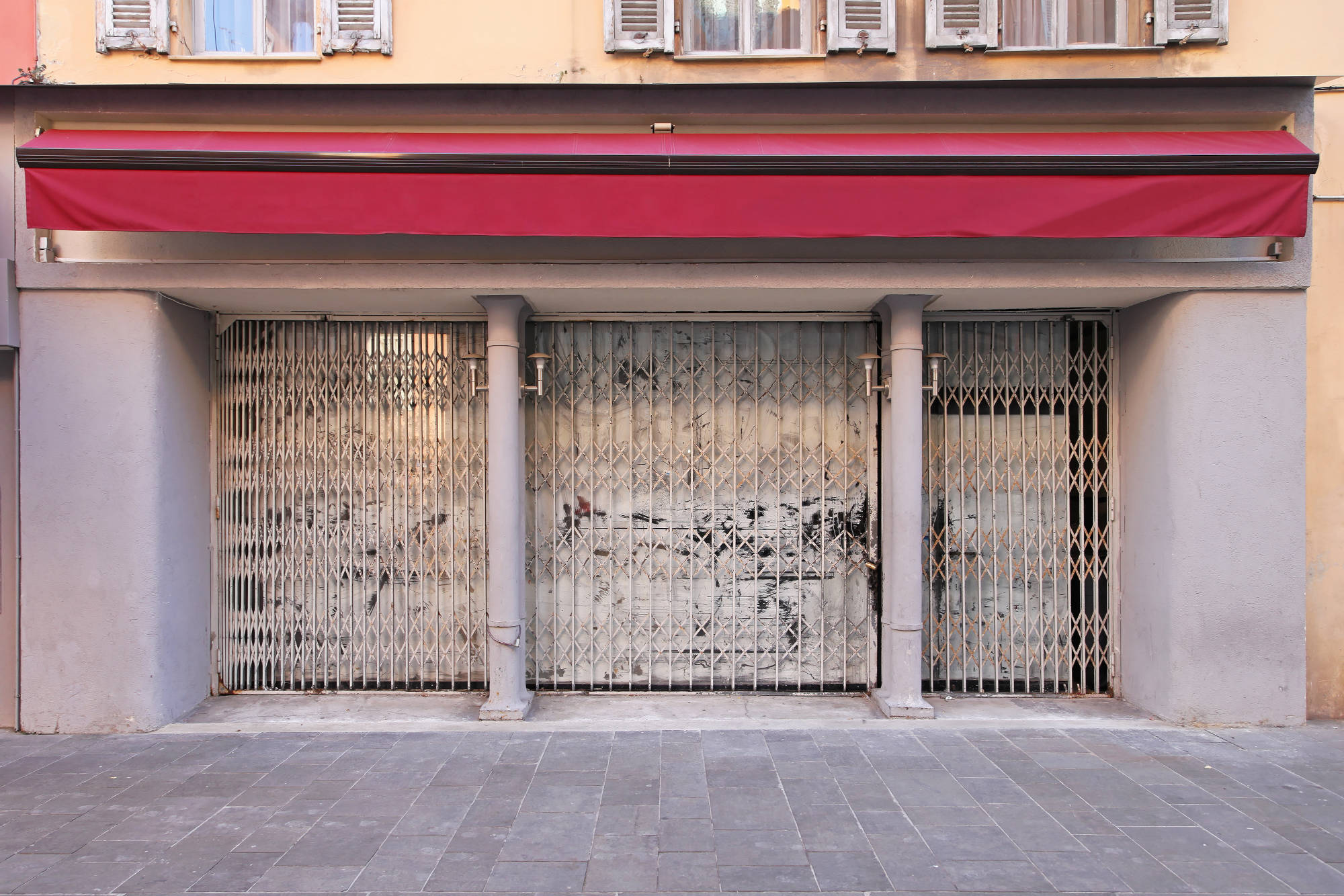
A well-proportioned canopy adds depth to a flat facade and creates a more finished look around doors and windows. Depending on its color and shape, it can also tie together different exterior elements and give the storefront better visual definition. For older or visually plain commercial buildings, this can improve aesthetic appeal and increase the visibility of your business from the street or sidewalk without requiring a major facade renovation.
Provides Additional Branding Space
Custom awnings can carry a business name, logo, fabric graphics, brand colors, or other visual elements above an entrance or window. Because they project outward from the building, those branding elements may be visible from viewing angles where wall-mounted signs may be less visible. In some cases, fabric canopies on your storefront can also serve as an alternative branding surface when separate wall-mounted signage is not practical or permitted.
Offers Some Protection from Rain
Awnings provide shelter around entrances, pickup areas, and outdoor seating during light rain. They also help keep direct rainfall away from doorways and the immediate area around them. The amount of protection depends on the size, projection, height, and whether it includes side coverage. For that reason, it is best viewed as added weather protection rather than a substitute for a fully enclosed shelter.
Adapts to Changing Conditions
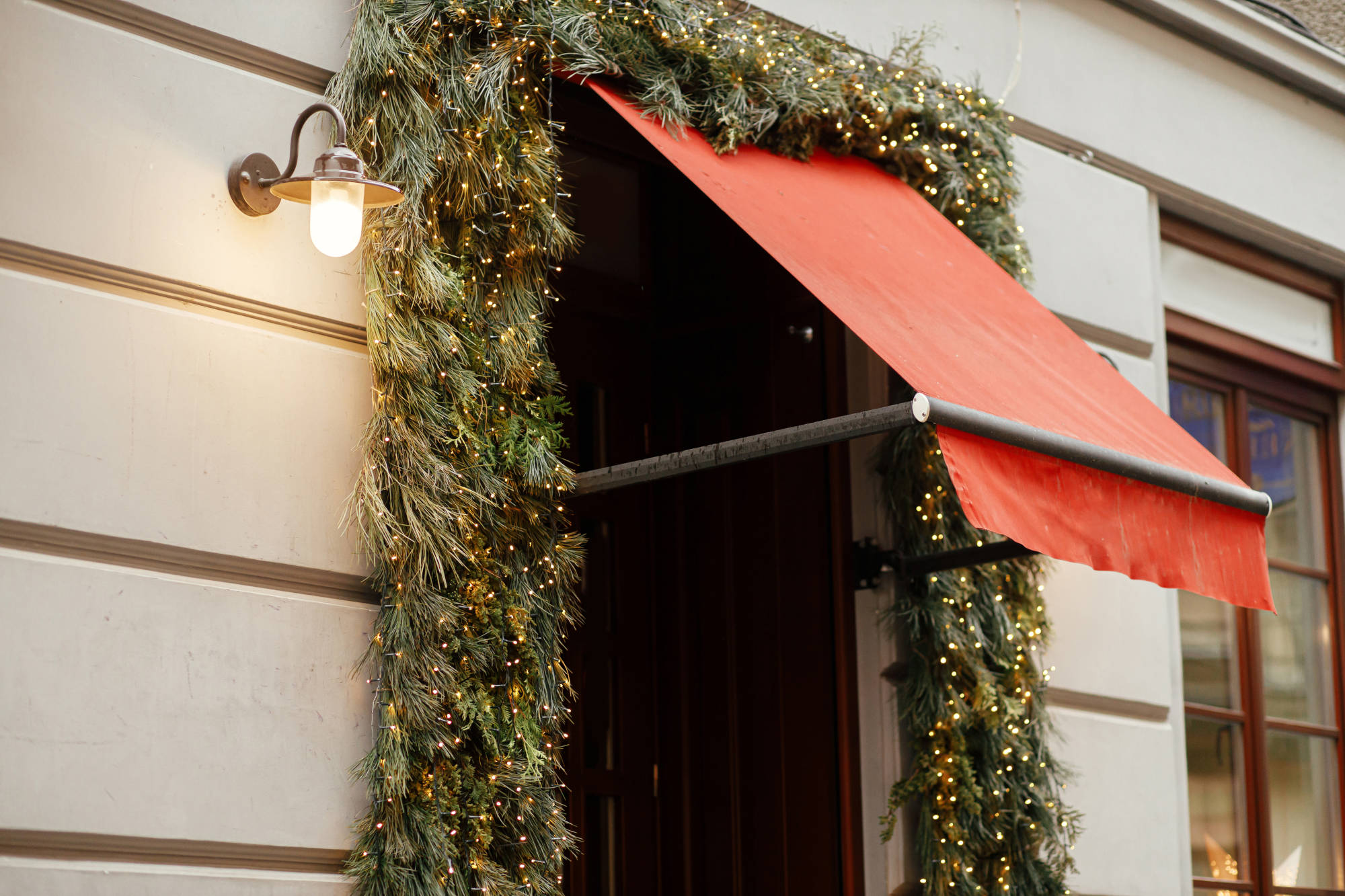
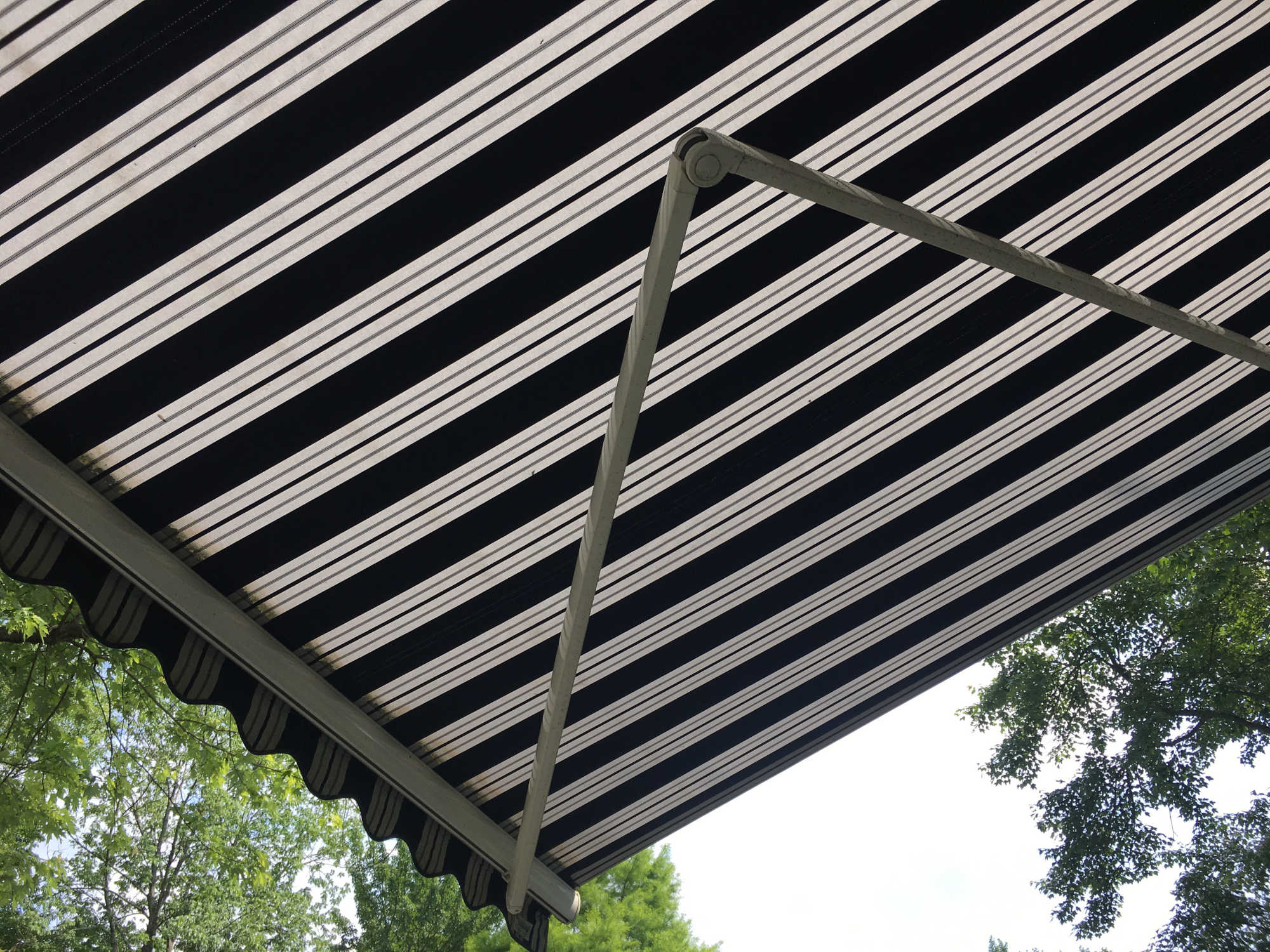
Retractable awnings allow businesses to adjust coverage as conditions change throughout the day. They can provide shade during periods of strong sun and be retracted when more daylight or an open storefront is preferred. This makes them useful for patios, outdoor dining areas, and entrances where sun exposure changes during operating hours.
What Should Businesses Consider Before Installing an Awning?
Before installing a commercial awning, businesses should look at how the building, location, and intended use of the space will affect the design.
Mounting surface
The wall or facade needs to be able to support the canopy and its hardware. Masonry, wood framing, metal panels, and other exterior materials may require different mounting methods.
Awning size and projection
It should provide enough coverage for the site without interfering with entryways, windows, sidewalks, signage, or neighboring spaces.
Sun and weather exposure
The direction the storefront faces, the amount of direct sun it receives, and local wind conditions can influence the appropriate awning size, materials, and mounting method, as well as whether a fixed or retractable design is more suitable.
Fabric and frame materials
Commercial awnings are exposed to sun, rain, dirt, and repeated use. Material choice can affect durability, maintenance needs, appearance, and how often components may need to be replaced.
Permits and approvals
Some installations may require local permits or approval from a landlord, HOA, shopping center, or property manager before work begins. If it will display a business name or logo, local sign regulations or property rules may also limit its size, placement, or graphics.
The right commercial awning should fit how your exterior space is used, the amount of sun and weather exposure it receives, and the appearance of the building. Choosing the right size, style, and coverage can help you get more value from the space without making unnecessary changes to the property.
Nashville Deck Systems can help you explore commercial awning options that fit your building exterior and business needs. Whether you want a fabric awning, fixed awnings, or a metal awning, contact us to discuss your project.