Deck decay is usually caused by the environment and lack of proper maintenance. However, with the right strategies and proactive measures, you can keep your deck from breaking down. Nashville Deck Systemsshares some effective tips that will help you protect your outdoor space from damage and make sure it lasts a long time.
Understanding Deck Decay
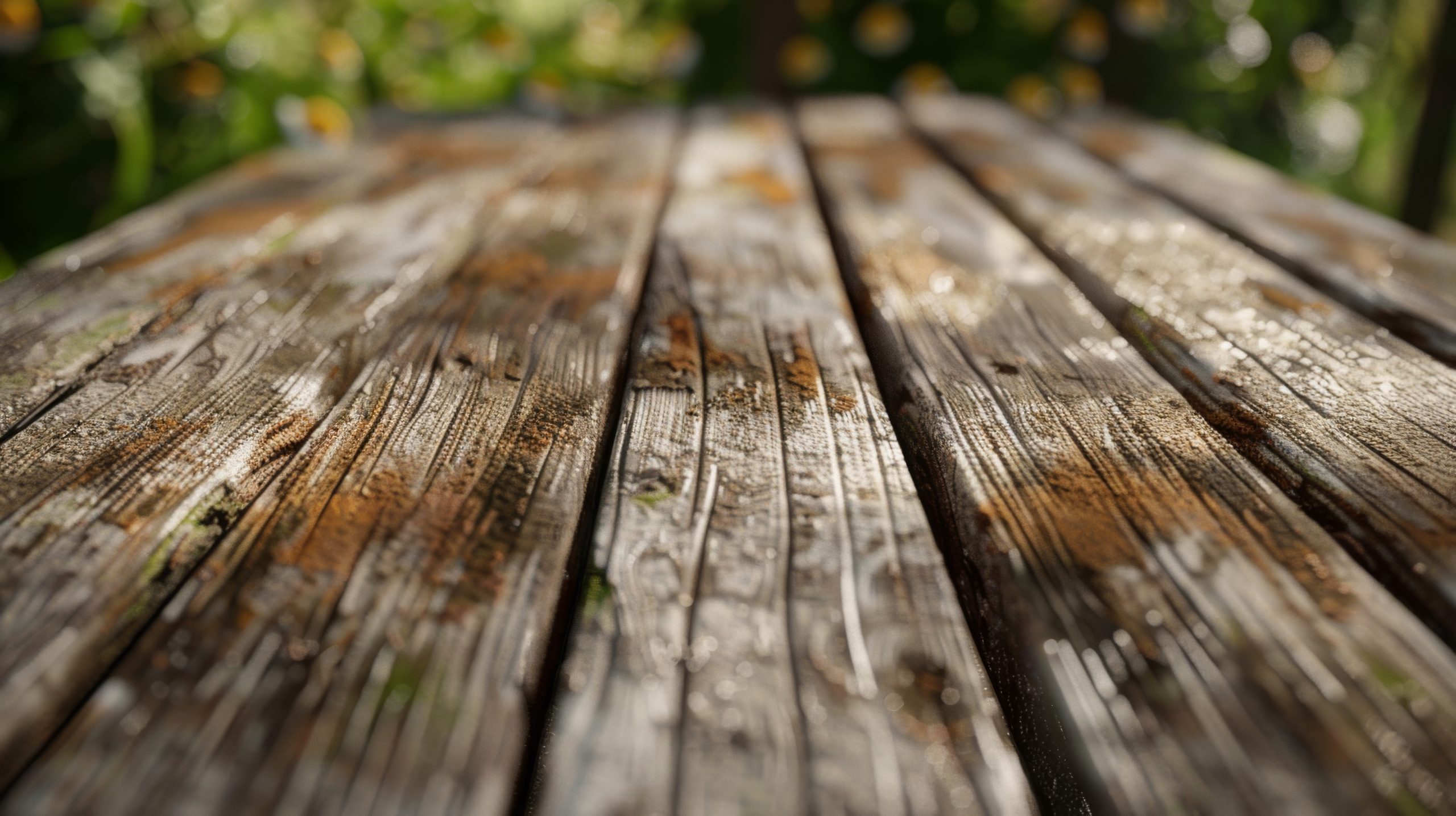
Some of the natural factors that can cause deck decay are moisture, UV light, bug infestations, and changes in temperature. Discoloration, splintering, soft spots, and fungus growth, on the other hand, may be its first signs. If you notice these signs early, you can save yourself from more damage and expensive fixes in the future.
Design and Construction Tips
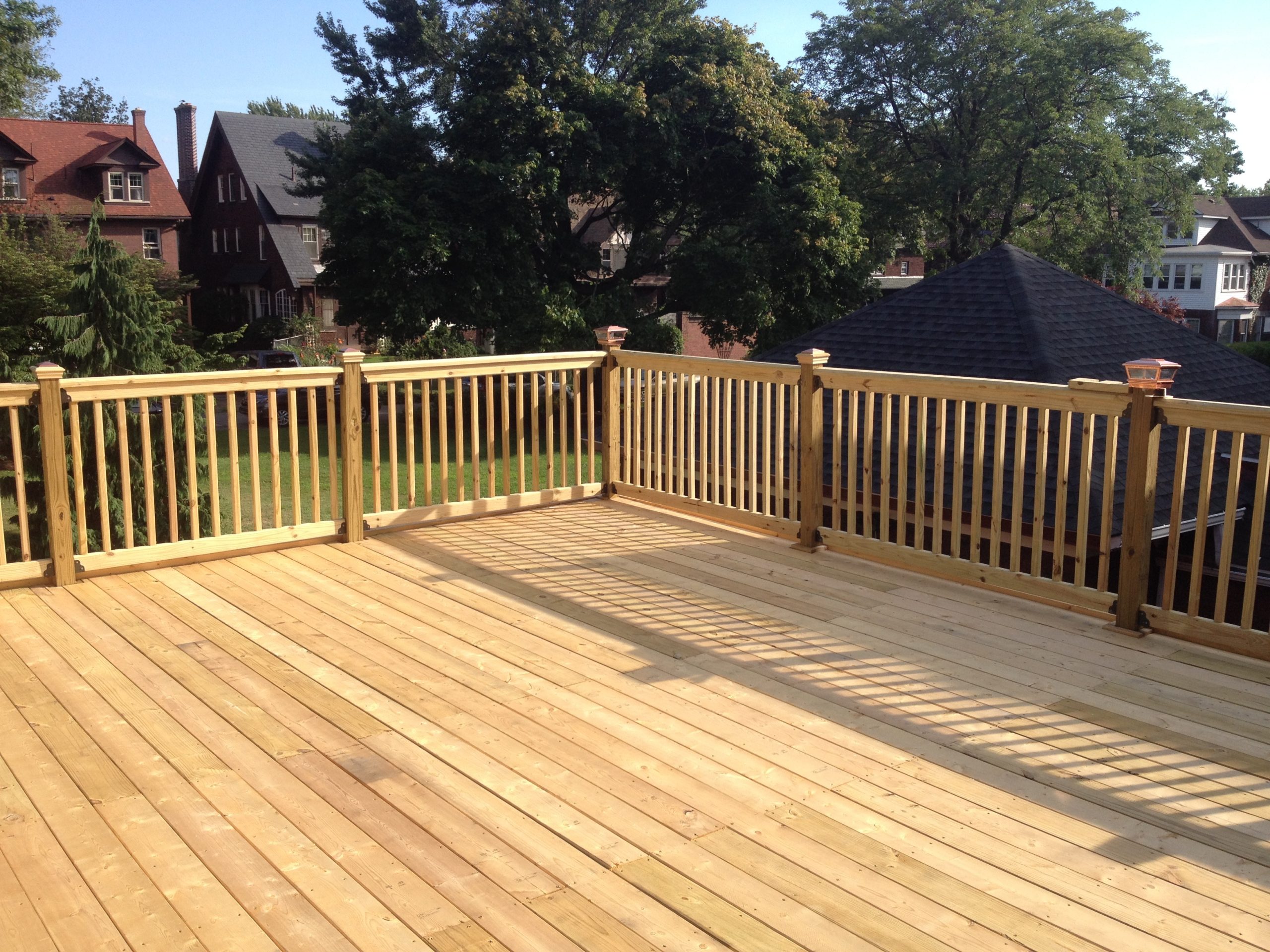
Picking the right materials is crucial for keeping your deck from decaying. Choose naturally resistant woods or options that have been treated with pressure to make them resistant to the weather. Also, consider efficient design elements like having enough space between boards to allow air flow and proper drainage to keep water from pooling, which can speed up decay.
Moisture is a primary contributor to deck decay, so effective waterproofing techniques are needed. Apply water repellent treatments to seal the wood and ensure proper drainage around the deck area to prevent water accumulation. Installing flashing where the deck meets the house can also help prevent water intrusion and decay.
Pest Prevention
Insects such as termites and carpenter ants can decay wood faster. As a response, use natural deterrents like cedar and redwood or vinegar and safe pesticides such as neem oil or boric acid to protect your deck without harming the environment or posing risks to pets and children. Regular inspections can help identify and address any signs of insect infestation early on.
Winter Care
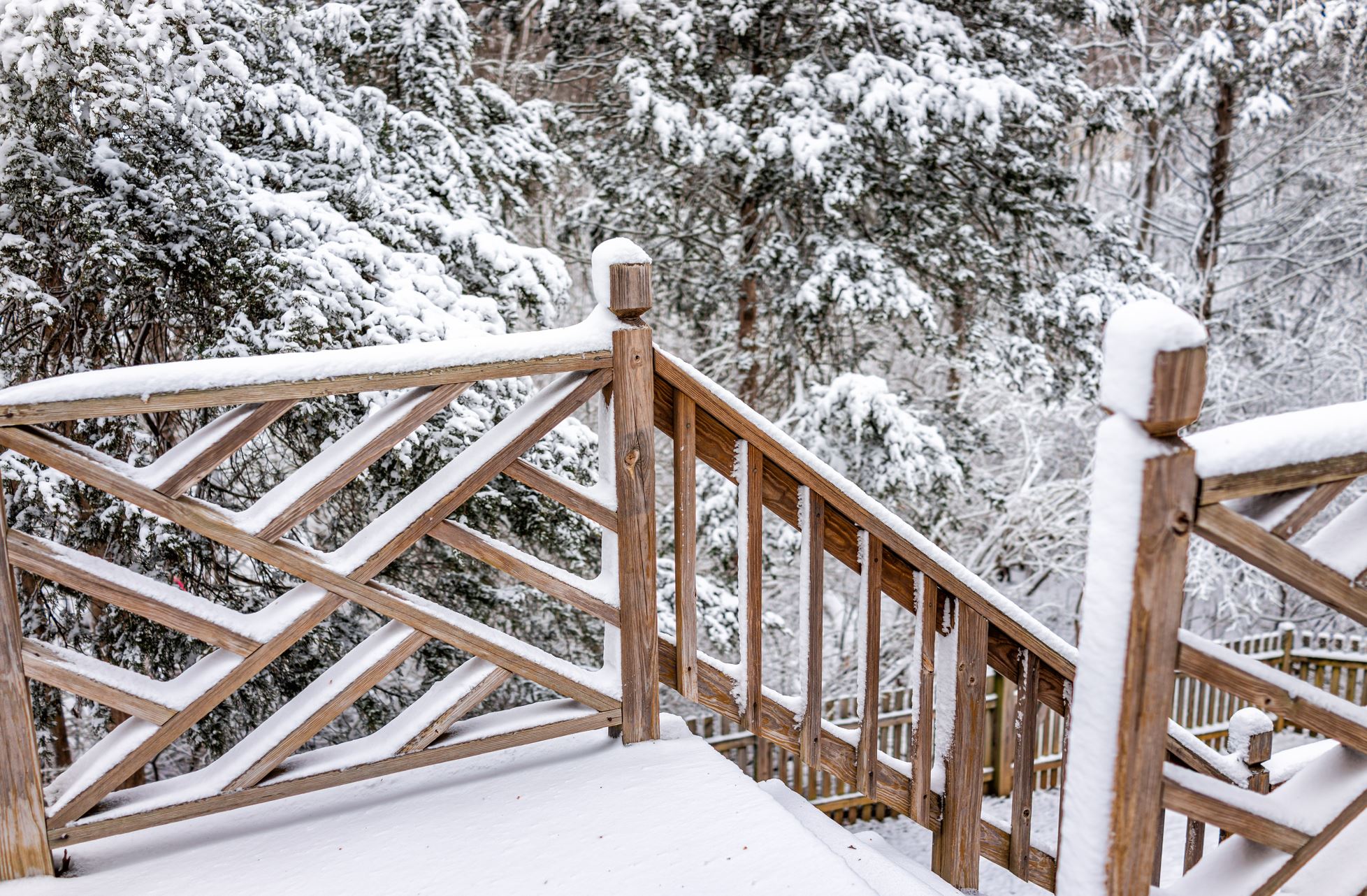
Preparing your deck for winter is vital to prevent snow and ice damage. Remove debris before the winter season to prevent moisture buildup and potential decay. Consider applying a protective coating or covering your deck during the winter months to shield it from the elements.
Professional Help
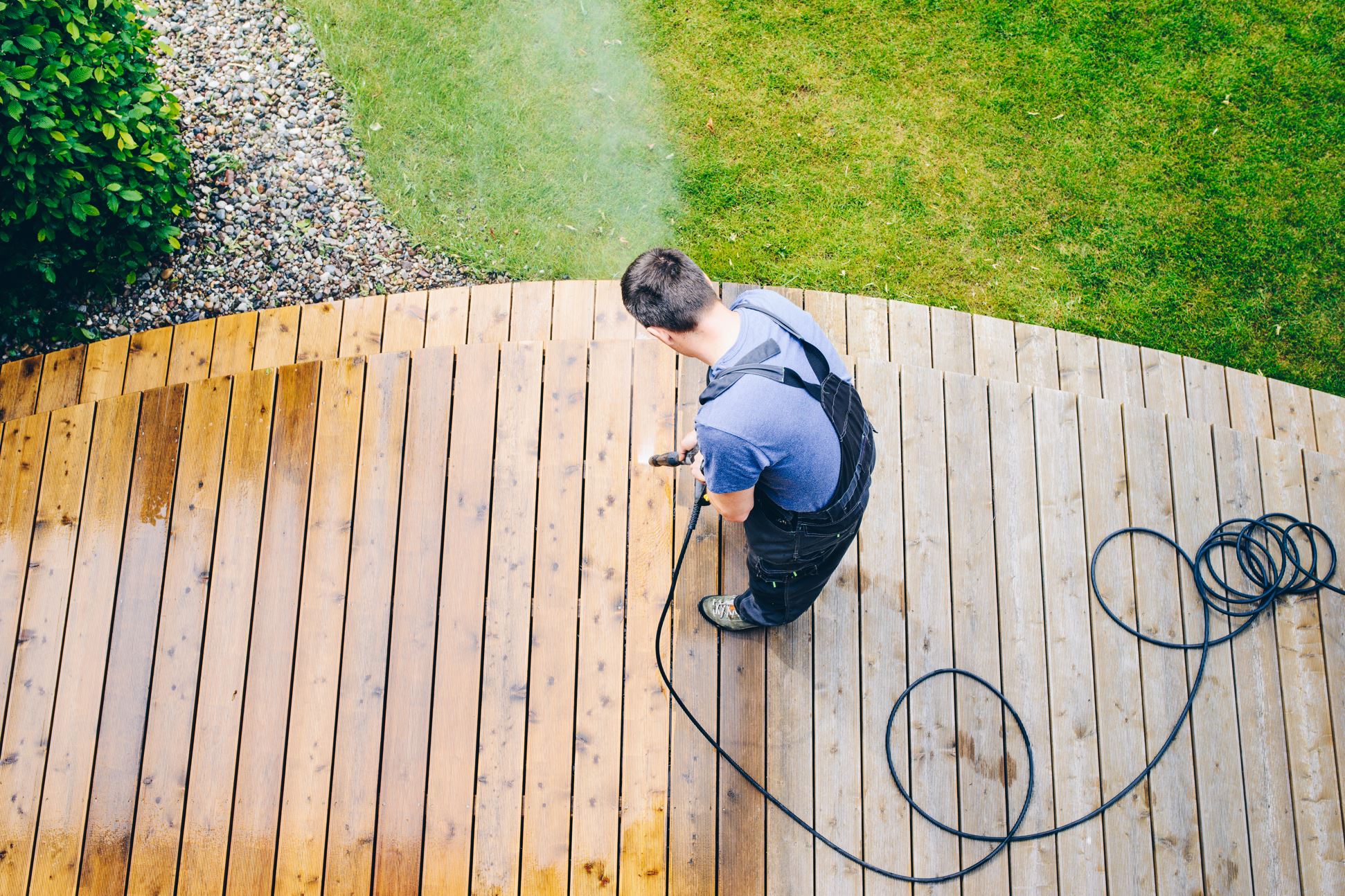
There may be instances where it’s best to seek professional assistance for deck maintenance or repair. If you’re unsure about the condition of your deck or if you encounter extreme issues, don’t hesitate to contact a professional like Nashville Deck Systems for inspection and guidance.
Preventing deck decay requires proactive measures and regular maintenance. By following the expert tips outlined in this article, you can protect your deck against premature deterioration and ensure that it remains a safe and enjoyable outdoor space for years to come.
Contact Nashville Deck Systems Today
Share your experiences or additional tips for preventing deck decay in the comments below. If you need expert advice or professional deck maintenance services, don’t hesitate to reach out to Nashville Deck Systems for assistance.