
How Do You Design a Porch for Year-Round Outdoor Living?

A porch can extend your home’s space and create an outdoor living room for relaxing, dining, or entertaining. However, keeping the space comfortable through changing seasons requires more than adding a roof and furniture. Factors such as weather exposure, layout, materials, airflow, and seasonal comfort can all affect how well the area works throughout the year.
Nashville Deck Systems designs and builds porches based on the home, property, and intended use of the outdoor space. But before starting a project, what design choices can make the area comfortable and functional throughout the year? From layout and materials to weather protection and seasonal features, each element plays a role.
How Do You Plan a Porch for Year-Round Use?
Planning a porch for year-round use involves more than choosing its style. Consider how you will use the space, where it will be located, and which materials and features will support year-round comfort. These considerations can apply to a front porch, back porch, or other outdoor living spaces.
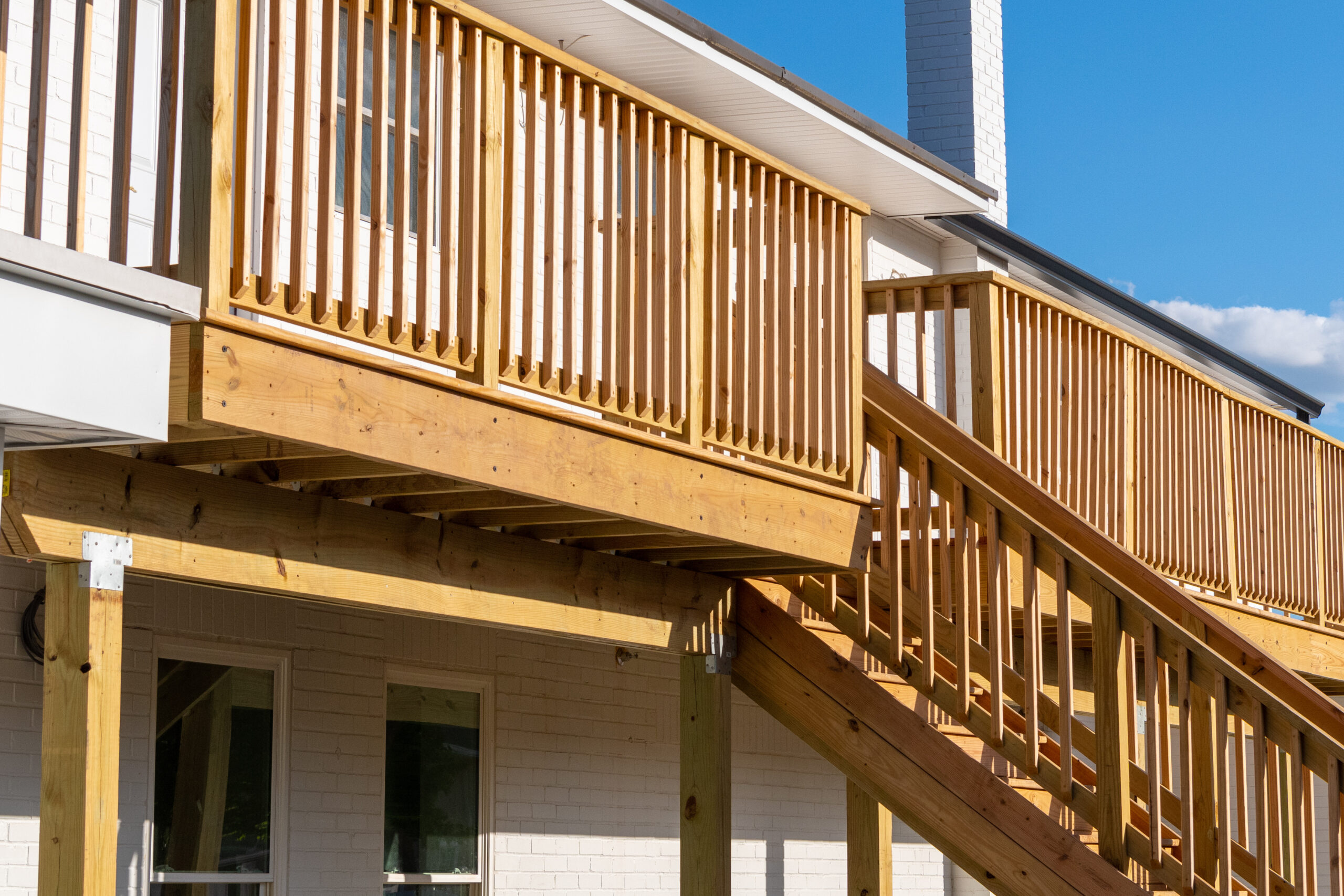
1. Determine How You Will Use the Space
Start by deciding how you expect to use the area throughout the year. Whether you plan to dine, relax, entertain guests, or combine several activities will influence the size, layout, seating, and features you need. A porch swing, garden stool, or comfortable outdoor seating can be included when the layout allows enough room.
A porch can accommodate different activities, from casual meals and morning coffee to relaxing with family or entertaining guests. Choose furniture and accessories that match these activities while leaving enough room for people to move comfortably. Natural and artificial plants can add greenery without taking up much space. Outdoor rugs can add comfort underfoot while defining areas for relaxing.
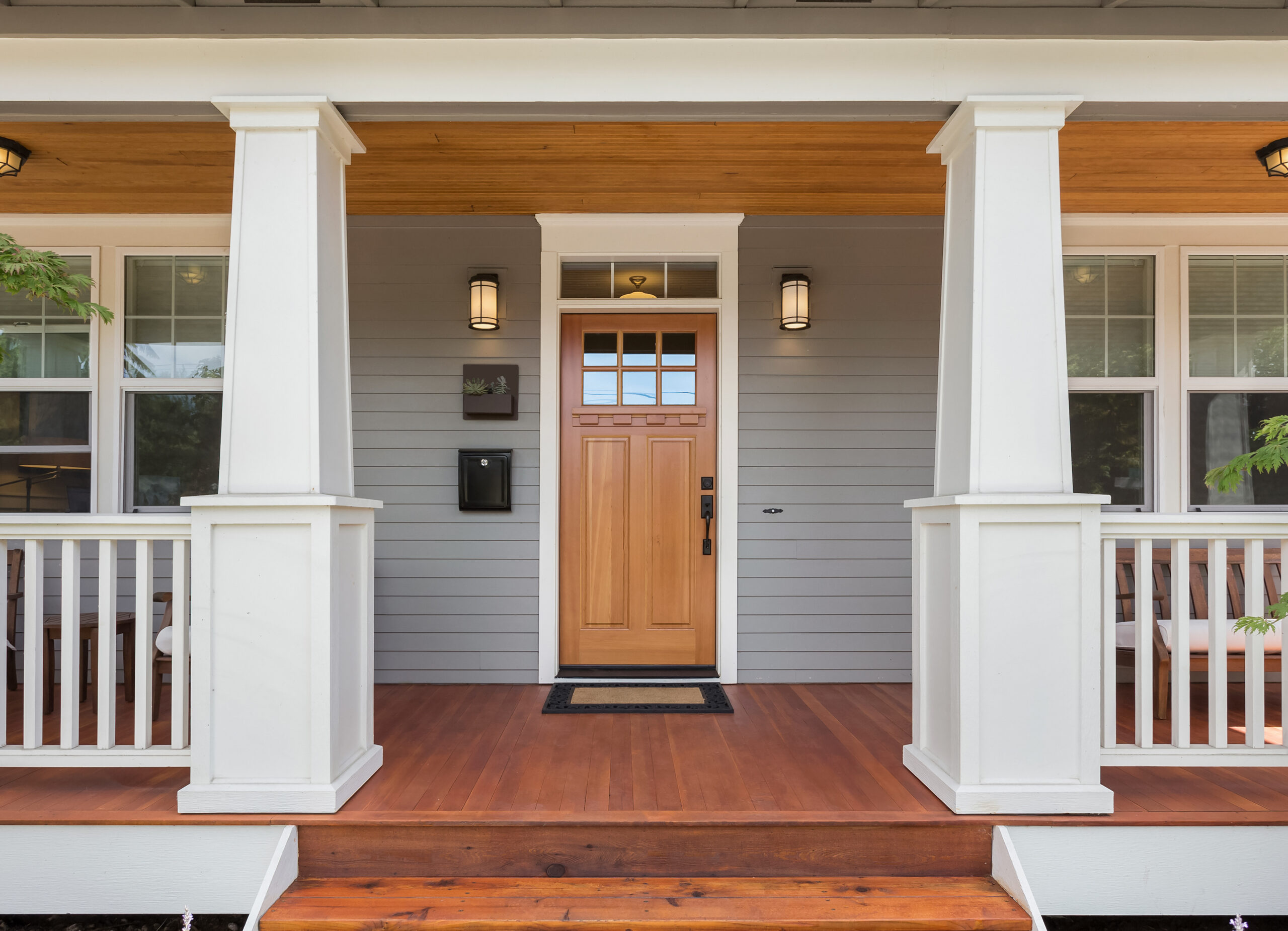
2. Consider the Home's Entrance and Layout
The entrance where the porch will be added can influence its design and orientation. Consider how the entryway relates to sunlight, views, privacy, and airflow when planning the porch. The design should also complement the home’s existing architecture and create a natural connection between the front door and outdoor living space.
The layout should prioritize a clear path between the entrance and the rest of the porch. A small front porch may need a compact arrangement, while larger spaces can accommodate a wraparound porch. When exploring front porch ideas and wraparound layouts, consider how the size and layout fit the home’s structure, support curb appeal, and complement its architectural elements.
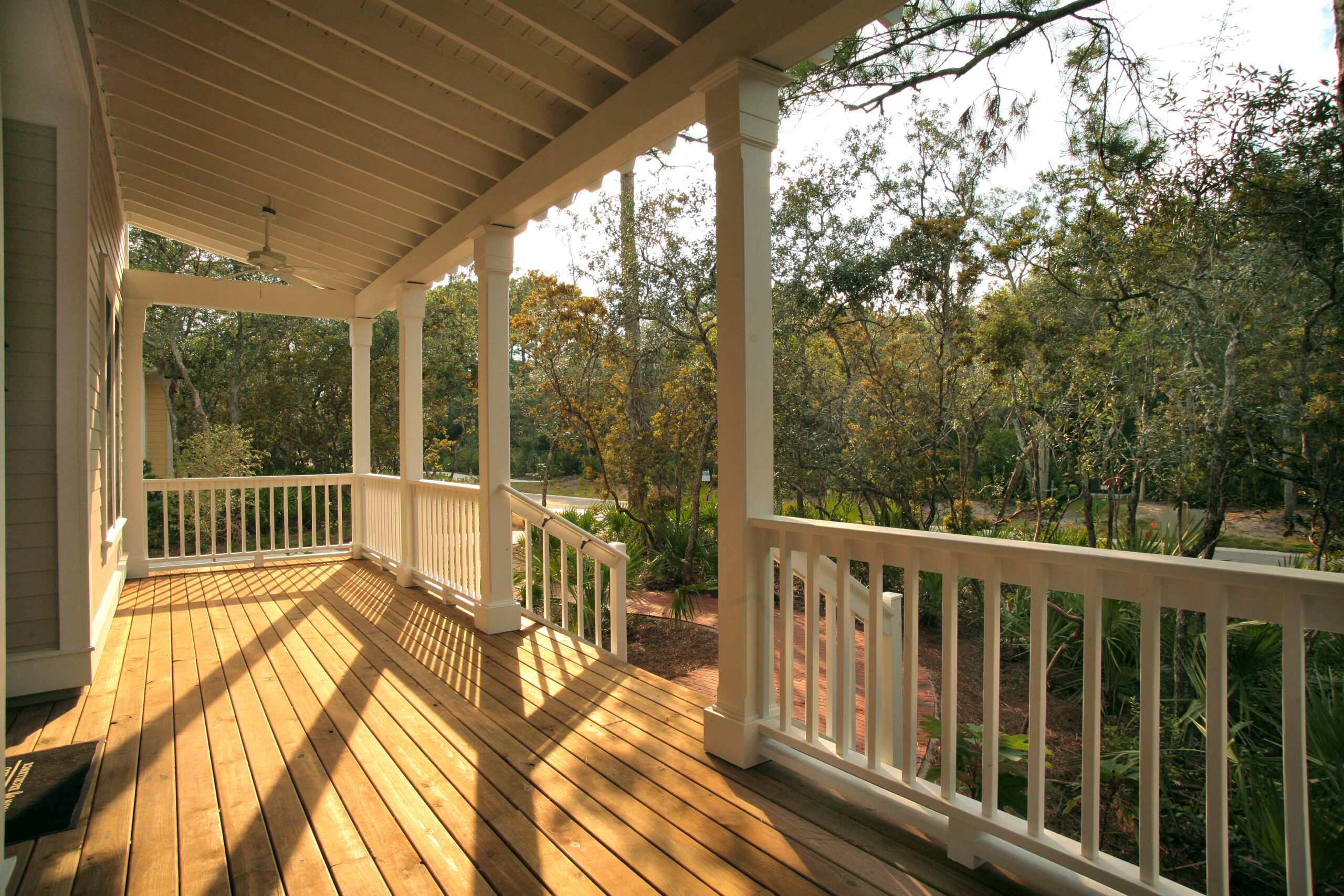
3. Plan for Weather Protection
A well-designed porch should provide the level of protection you want from sun, rain, and humidity. The roof’s pitch, overhang, orientation, and coverage can affect how effectively it shades the space and keeps rain from reaching areas where you want to sit or entertain. A gable roof porch is one option that can provide overhead coverage while complementing the home’s architectural style.
Drainage and ventilation should also be considered during the design stage. The roof and surrounding structure can be planned to direct rainwater away from the porch, while appropriate openings and airflow paths can help reduce heat and moisture buildup. These decisions can make the space more comfortable and help protect the structure from prolonged exposure to moisture.
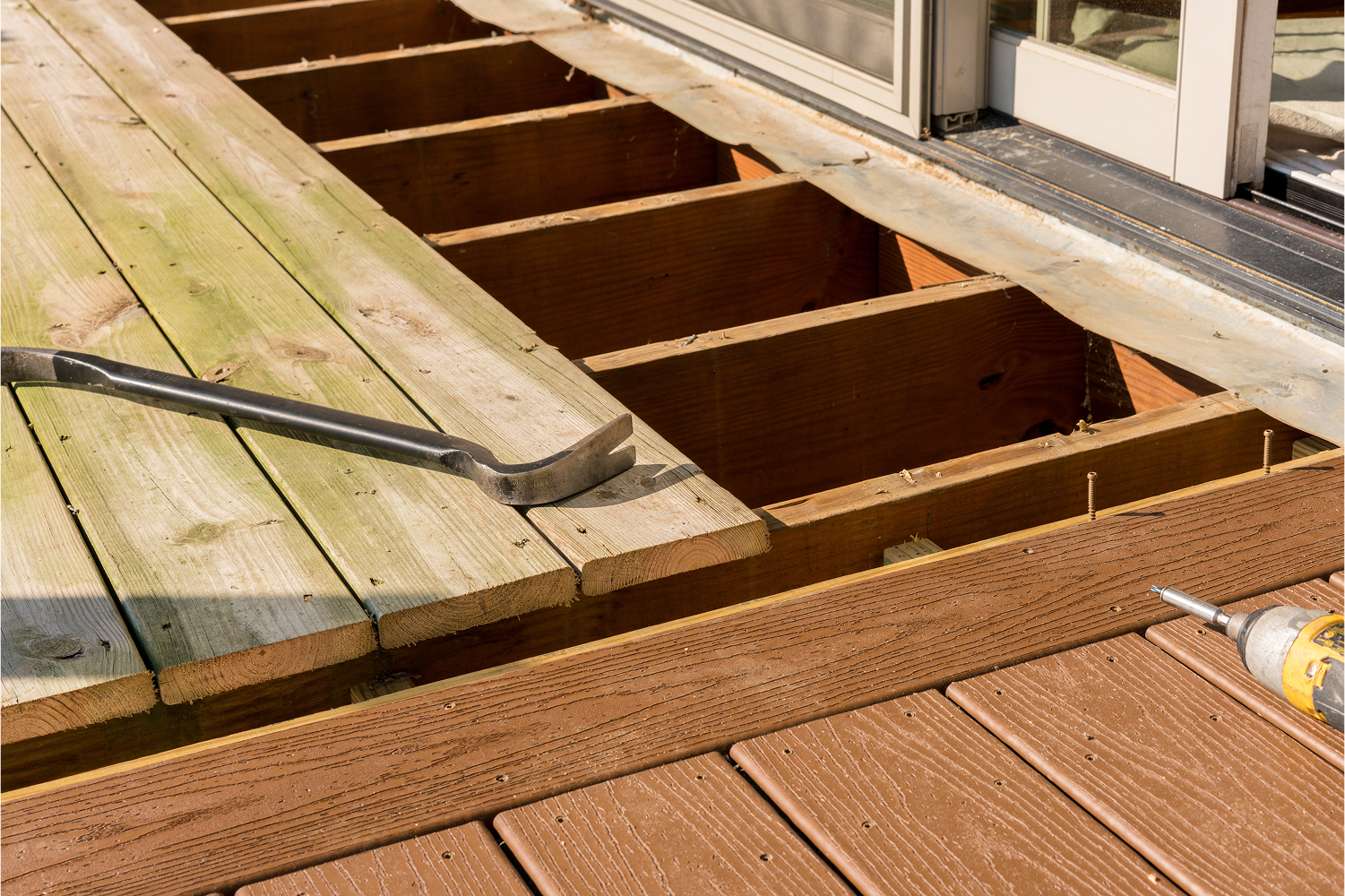
4. Choose Materials for Durability
Select weather-friendly materials based on their ability to withstand sunlight, moisture, humidity, and temperature changes. Wood, composite decking, and other flooring materials have different appearances, maintenance requirements, and durability characteristics. Considering material performance can help determine which option is appropriate for the area’s exposure and intended use.
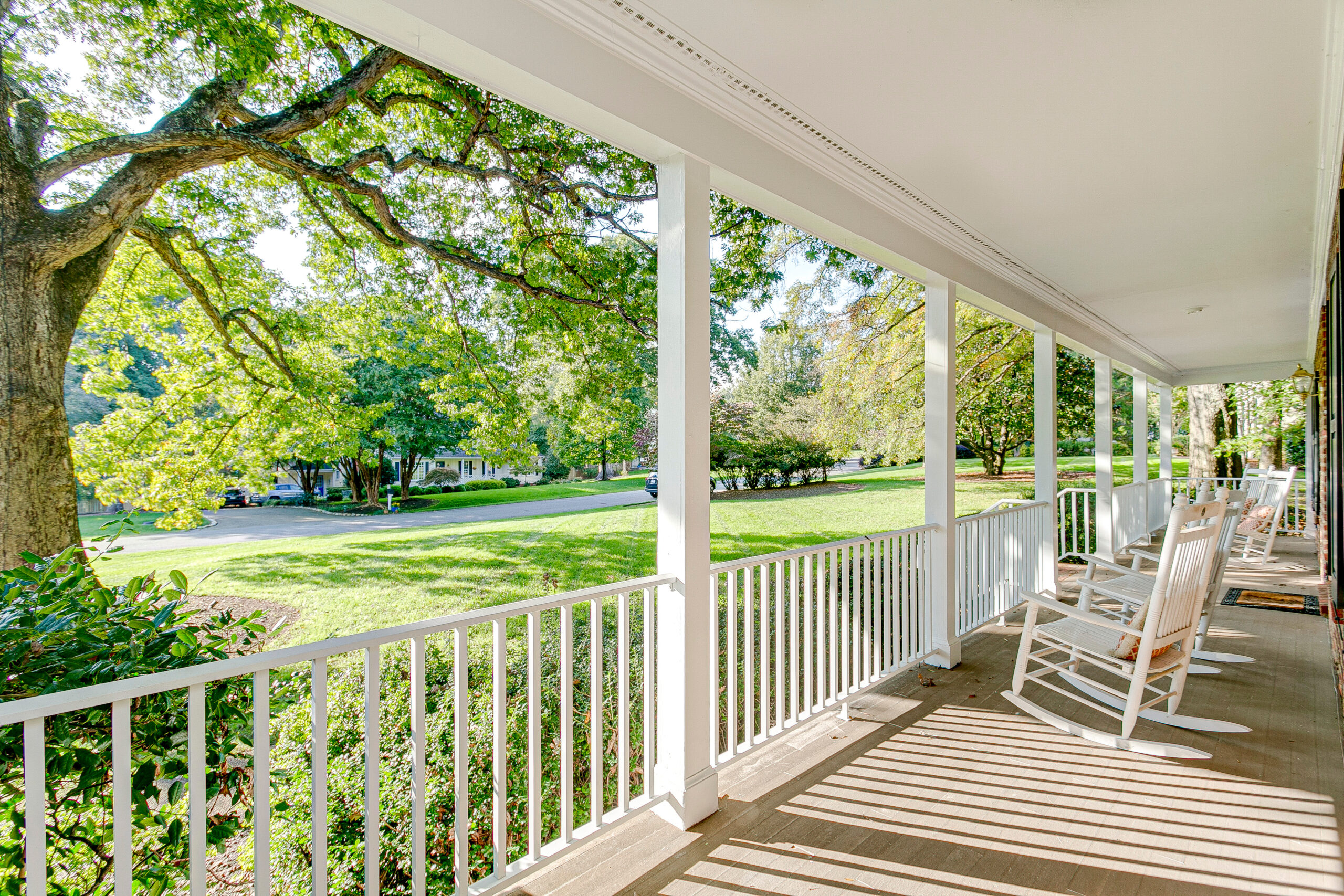
Consider more than the flooring when selecting materials. Railings, roofing, and screens should be suitable for outdoor exposure and complement the home’s architectural style. Structural support columns and column wraps can add to the area’s appearance while supporting the overall design. Pavers or limestone can also complement the structure and create a transition into the yard.
5. Plan for Comfort and Visual Appeal
Year-round porch planning should also consider the details that make different front porch designs inviting and enjoyable to use. Window boxes, railing planters, and wall planters can add greenery without taking up much floor space, while welcome signs can add a personal touch near the entrance. Other porch decor, such as front porch planters, can also complement the home’s exterior.
Lighting can improve the porch’s usability in the evening while contributing to its overall appearance. An exterior light near the entrance can improve visibility, while outdoor wall lanterns can provide additional lighting and complement the home’s architectural style. Choose these details during the design stage so they work with the porch’s layout and overall style.
What Is the Best Material for a Porch in All Seasons?

The right material should match the area’s exposure to moisture, sunlight, temperature changes, and everyday use. Each option offers different levels of durability and maintenance.
Resists moisture and fading and requires less maintenance than traditional wood. Composite material is a practical choice for homeowners who want a durable surface without frequent staining or sealing.
Provides a classic appearance at a lower initial cost. It requires regular cleaning, staining, and sealing to maintain its condition.
Offers a natural appearance and good resistance to outdoor conditions. It still needs routine maintenance to protect the wood from moisture and weathering.
Resists moisture and does not require the same sealing or staining as wood. It is suitable for homeowners looking for a low-maintenance option.
Provides a premium appearance and natural durability. It can be a good choice for a high-end porch but may require more care and have a higher upfront cost.
Is a Screened or Enclosed Porch Better for Year-Round Use?
A screened-in porch is a good choice if you want natural airflow, protection from insects, and an open-air feel. It works especially well in mild weather and can be made more comfortable with ceiling fans, shades, string lights, and outdoor heaters. Choose a screened option if you prefer a more open outdoor experience and do not need complete protection from the elements.
An enclosed porch is better if you want greater protection from rain, wind, insects, and temperature changes. It can also accommodate heating and cooling systems for more consistent comfort throughout the year. Choose an enclosed option if you plan to use the space more regularly in different weather conditions and want a more protected environment.
Ready to Design Your Year-Round Porch With Nashville Deck Systems?
The right porch design depends on how you want to use the space, the level of protection you need, and the features that fit your home. With thoughtful planning, the space can be functional and comfortable year-round while complementing your home’s style and outdoor living needs.
Nashville Deck Systems offers custom porch design and construction tailored to your home, property, and outdoor living needs. Whether you are planning a new space or improving an existing one, our team can help you create a design that fits your property and lifestyle. Contact us today to start planning your porch.