
How Can a Privacy Fence Improve Your Deck?

A privacy fence can make your deck feel more secluded, intentional, and comfortable for everyday use. It helps create a stronger sense of privacy from nearby homes, streets, or other exposed areas without necessarily making the space feel closed off. The right design can also complement your deck’s layout and style while giving the outdoor area a more defined, finished feel.
How a fence can benefit your deck depends on how well it fits the space and the way you use it. Nashville Deck System explains the benefits of deck privacy fencing, the styles available, what to consider before installation, and other ways to create a more private outdoor living area.
What Are the Benefits of Adding Privacy Fencing to a Deck?
A privacy fence can improve how your deck feels and functions by addressing common problems with exposed outdoor rooms or spaces. It can block sightlines, soften outside noise, add some protection from the elements, create a more contained setting, and improve the overall appearance of the deck.
Blocks Unwanted Views from Nearby Homes and Streets
Privacy fencing reduces direct sightlines into your deck from neighboring homes, sidewalks, streets, or other exposed areas. This can make the space feel more secluded and comfortable, especially when the deck sits close to other properties or faces a high-traffic area.
Makes the Deck Feel Quieter
Solid or closely spaced panels can soften some of the sound coming from traffic, activity, neighbors, and lawn equipment. This creates a quieter setting that allows you to have an easier time relaxing in your outdoor space.
Add Protection from Wind and Sun
A well-placed privacy fence can help block wind, blowing debris, and wind-driven rain. Depending on its height, orientation, and design, it may also provide limited shade during certain times of the day, making exposed areas of the deck more comfortable.
Create a More Enclosed and Protected Space
Privacy fencing can provide a physical boundary around exposed portions of the deck, making the area feel more contained. When appropriately designed and integrated with the deck’s railing or guard system, it can also help create a safer space for children or pets.
Give the Deck a More Finished Look
Aside from being a functional barrier, fencing can also serve as a decorative feature. The material, color, spacing, and pattern can complement the deck, railing, siding, and other exterior finishes while creating a clean backdrop for furniture, plants, lighting, and decor.
What Privacy Fence Options Work Well on a Deck?

Deck privacy screens come in several panel styles, and the main difference is how much they block views versus how much light and airflow they allow. The right screen design depends on whether you want full or partial screening, or something more decorative.
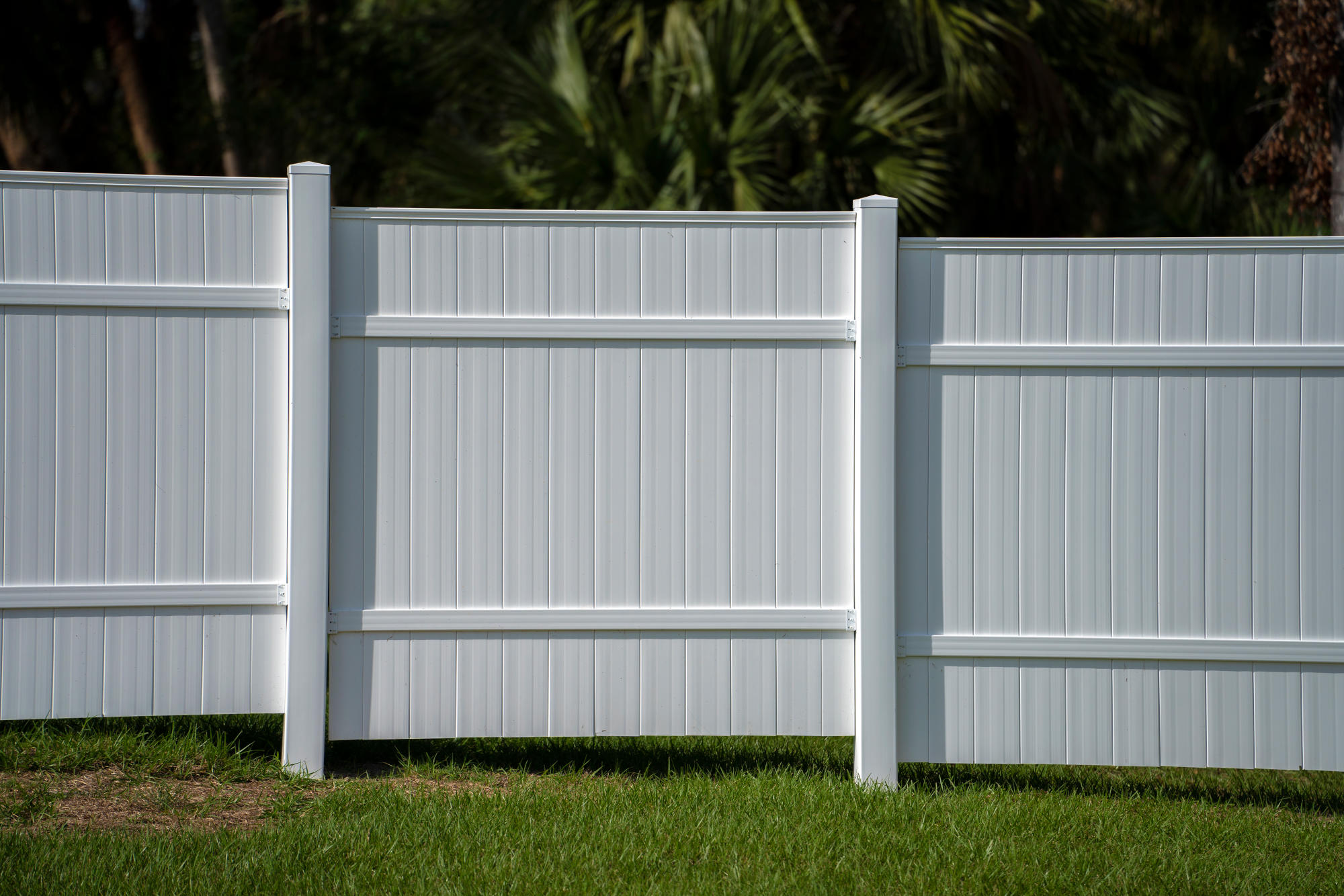
Solid Panels
Solid panels create the strongest visual barrier and work well when you want to block direct views from neighboring homes, streets, or nearby properties. Whether they are composite, metal, wood, or pressure-treated pine privacy screens, these fences are best for homeowners who want the highest level of seclusion.
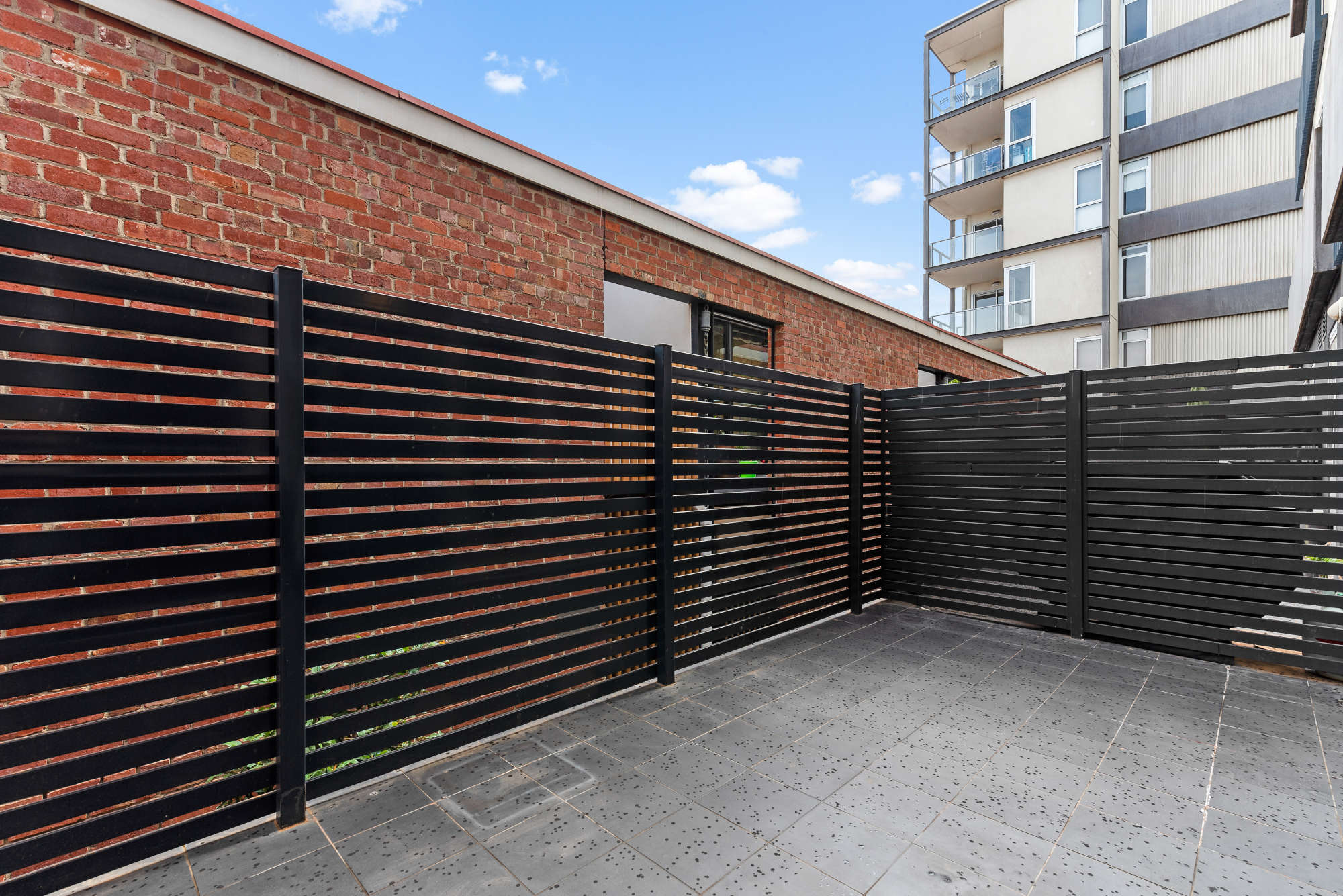
Horizontal Slat Fencing
Horizontal slats create a clean, modern look and can be spaced tightly or loosely depending on how much privacy you want. Narrow gaps provide more screening; wider gaps allow more air circulation and light. Louvered slats are another option, using angled boards to block direct sightlines while still allowing air to pass through.
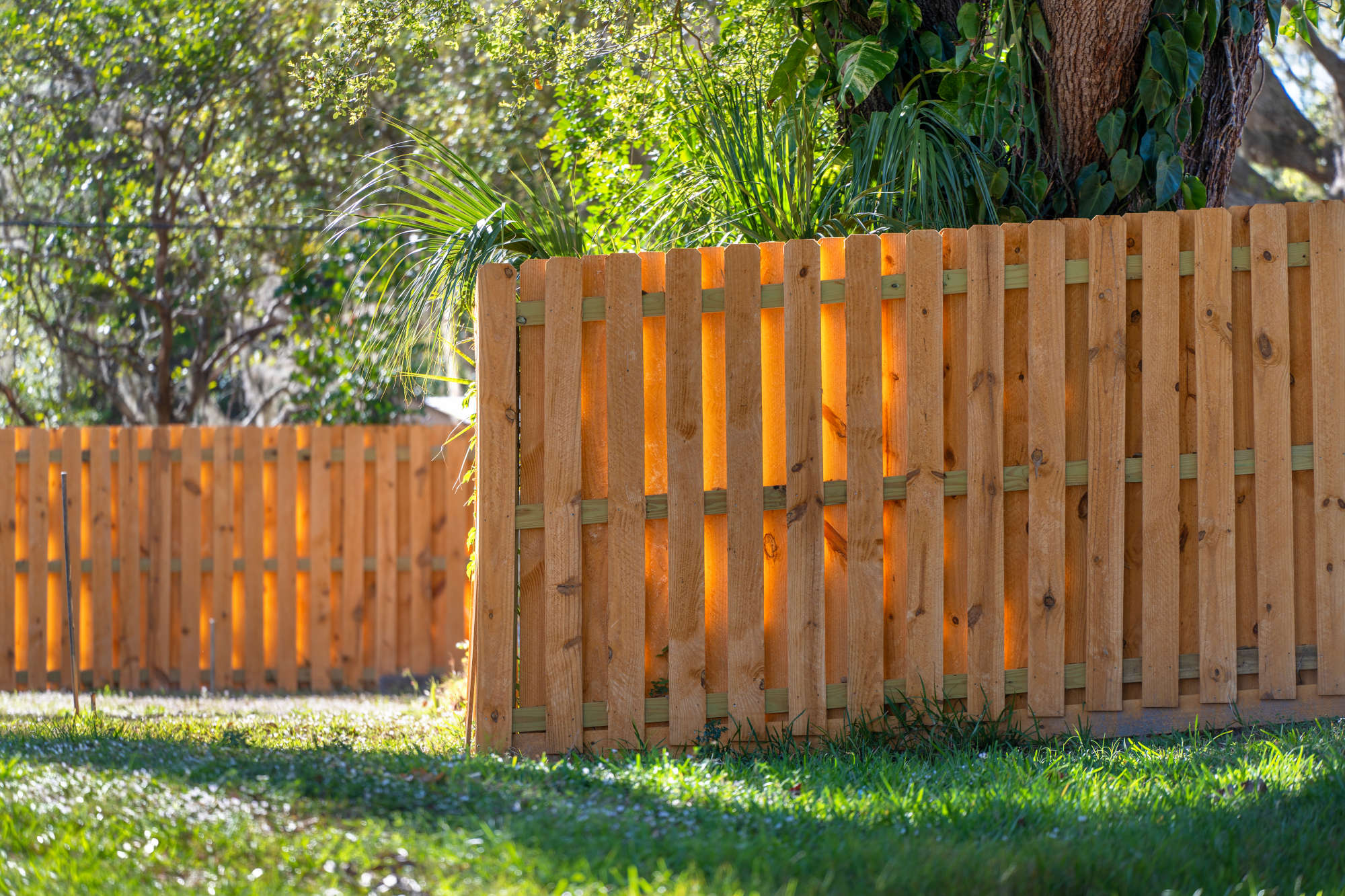
Vertical Board Fencing
Vertical boards offer a more traditional appearance and can provide anything from partial to nearly full privacy. They work especially well with homes or decking that already use classic wood railing or siding details.
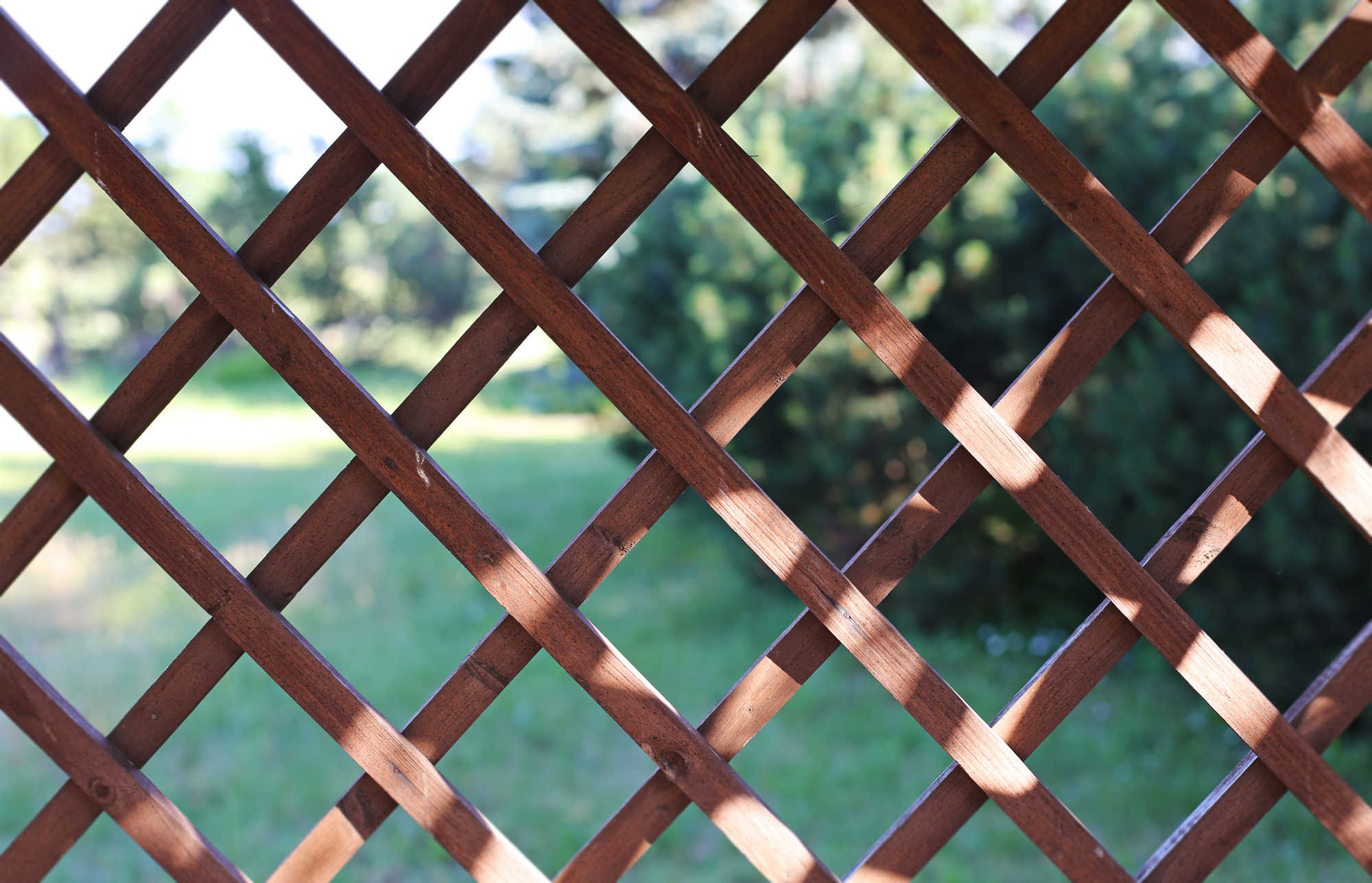
Lattice Privacy Fencing
Lattice panels can partially block sightlines without making the deck feel closed in. It allows more light and airflow than solid panels and can also support climbing plants for additional screening.
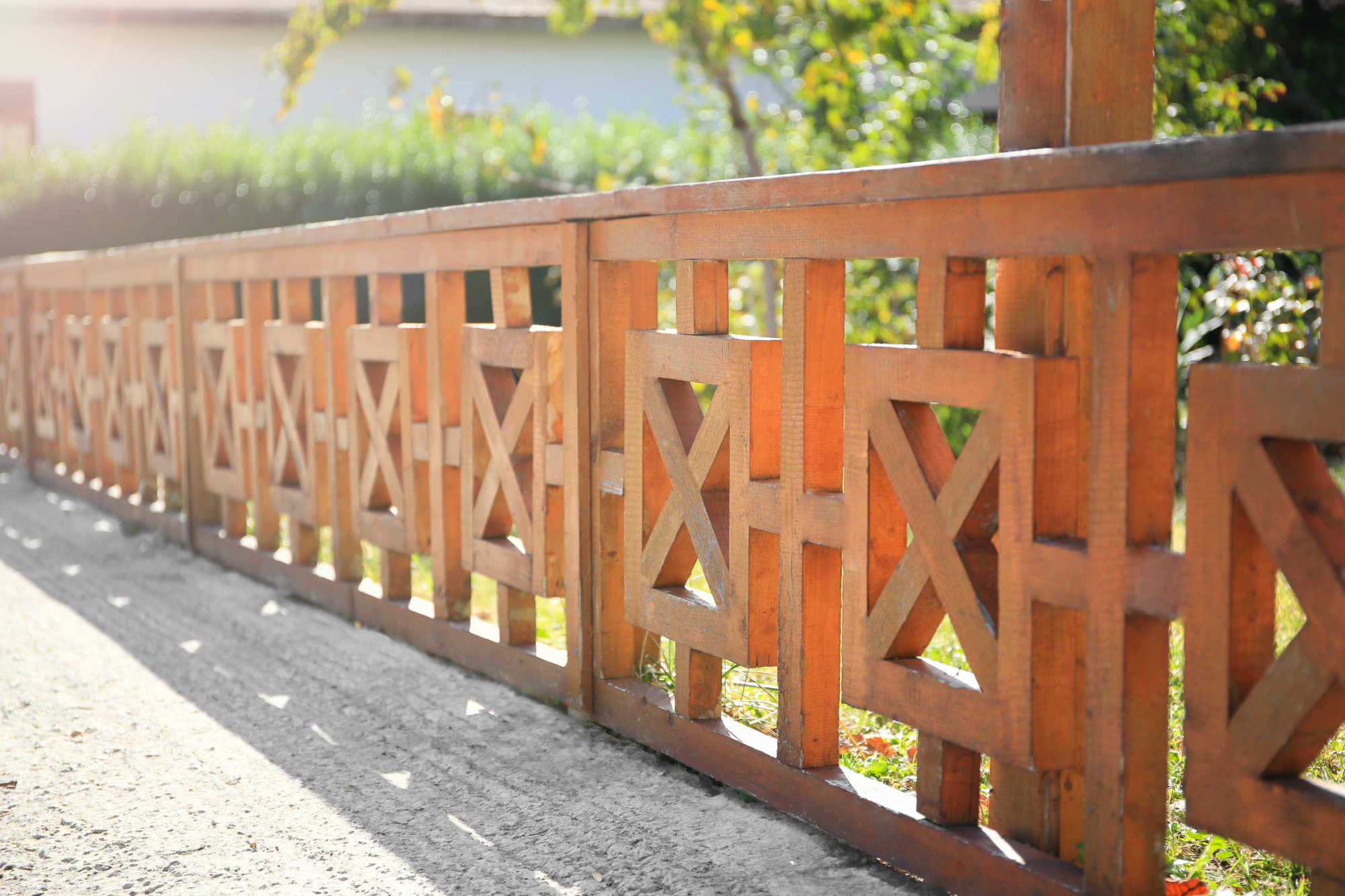
Decorative Panels
Decorative panels use natural or composite wood, vinyl, or metal screen cutouts, patterns, or perforations to add seclusion without creating a solid wall. They are often used as accent sections or on modern decks where visual interest is just as important as screening.
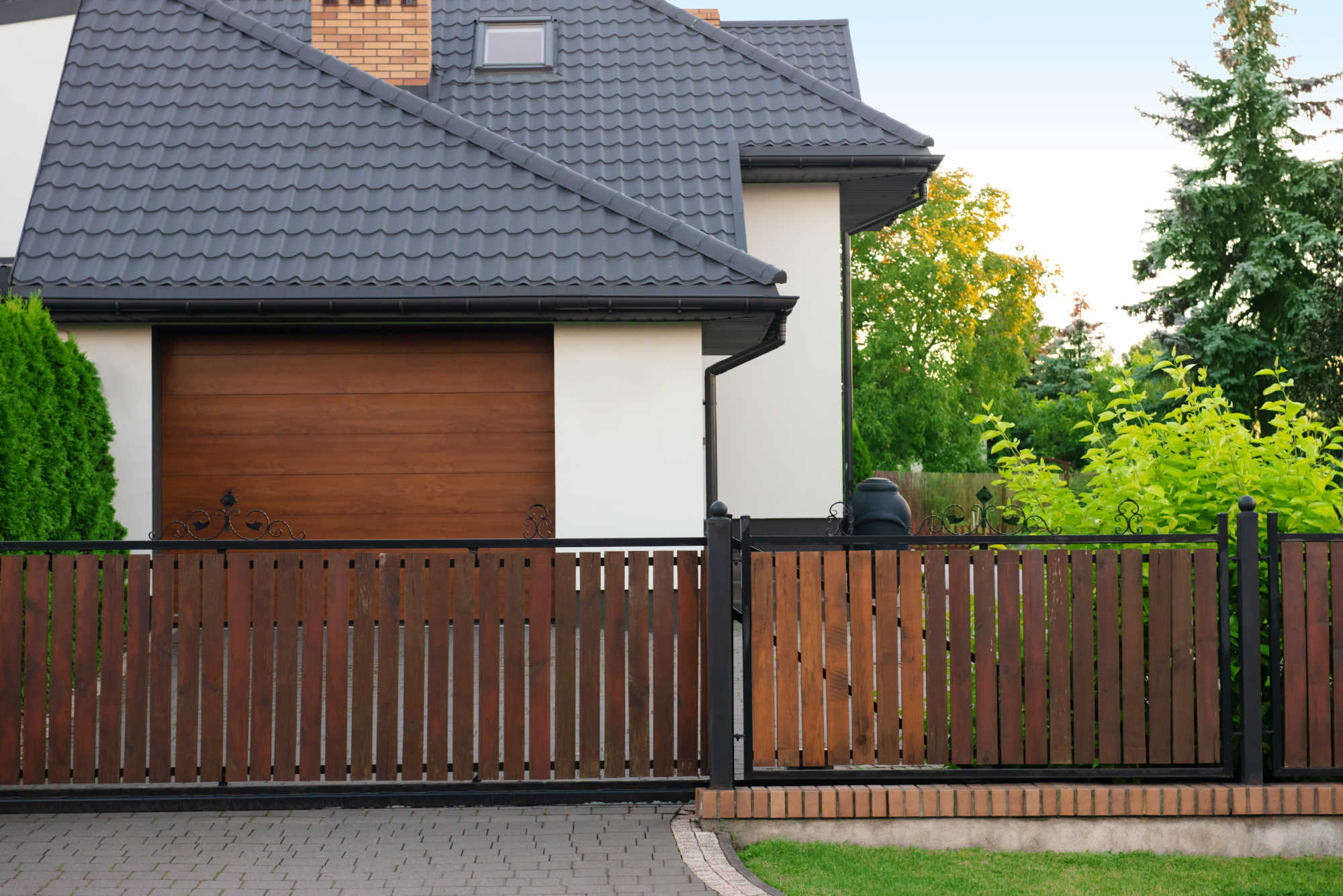
Mixed-Material Privacy Fencing
Different materials can be used for a customizable design that creates the desired look and level of privacy, such as composite fencing, metal support posts, or aluminum hideaway screens with galvanized steel posts. This gives you more control over the fence’s look and makes it easier to match the deck and home.
What Should You Consider Before Adding Privacy Fencing?
Privacy fencing should fit the space. That’s why before choosing a design, think about how the fence will affect the deck’s layout, airflow, structure, and everyday use.
Deck Size
Tall or solid privacy fences can make a small deck feel cramped. Consider whether a privacy fence will add enough coverage without overwhelming a deck. Otherwise, installing one might not do much or will detract from the look or functionality of your outdoor space.
Placement
The best place to install a fence is where you actually need to block lines of sight. Screening one or two exposed sides may be enough to block views while preserving light, airflow, and your view of your backyard’s natural beauty.
Wind Exposure
Tall or solid panels catch more wind than open slats or lattices. On an exposed deck, that added force needs to be transferred safely through the posts and connections into the supporting structure. A more open design can reduce pressure brought by the wind while still blocking sightlines from nearby roads and properties.
Railings and Guards
If the outdoor privacy screen is installed near or attached to an existing railing, make sure the two systems work together. A tall screen can add weight and wind load that the original railing may not have been designed to handle.
Local Requirements
Before installation, check local rules for fence height, placement, permits, and structural requirements. In Nashville, these rules can vary depending on the design and where the deck sits on the property, so confirm what applies before construction begins.
Alternatives to Privacy Fencing for Your Deck
A privacy fence is not always the best fit. You may want more coverage from above, need a flexible option you can open and close, or have a deck where a tall fence would feel too bulky. In such cases, the following options can fill the gaps or work alongside fencing.
- Outdoor Curtains or Shades: A good addition for covered decks or pergolas. Outdoor retractable shades and curtains can be closed when you want added concealment and opened when you want more light, airflow, or a wider view.
- Pergolas with Side Panels: A pergola can support curtains, slats, or screens and can also help block views from neighboring upper floors. This is useful when side fencing alone doesn’t provide enough coverage.
- Privacy Railing Systems: These combine the deck’s rails with taller or more closely spaced panels, slats, or inserts to add seclusion without installing a separate fence. They work well when you want the feature to feel integrated into the deck design.
- Planters, Trellises, and Tall Plants: Tall potted plants, living screens, large planters, raised planter boxes, shrubs, ornamental grasses, or short trees can soften sightlines without making the deck feel enclosed. They are especially useful when you want privacy that blends into the yard.
- Retractable Privacy Screens: Useful when you only need privacy at certain times or from one direction. They work well on decks where permanent fencing would feel too restrictive.
Get the Privacy You Need from Nashville Deck Systems
Creating privacy for your outdoor space starts with understanding your deck’s layout, surrounding views, and how you want to use the area. The best solution should feel intentional, work with the existing structure, and complement the overall design of your home.
Nashville Deck Systems can help you evaluate your options and choose a screen system that works with your deck and property. Contact our team to discuss your project and find a solution that balances seclusion, comfort, and style.