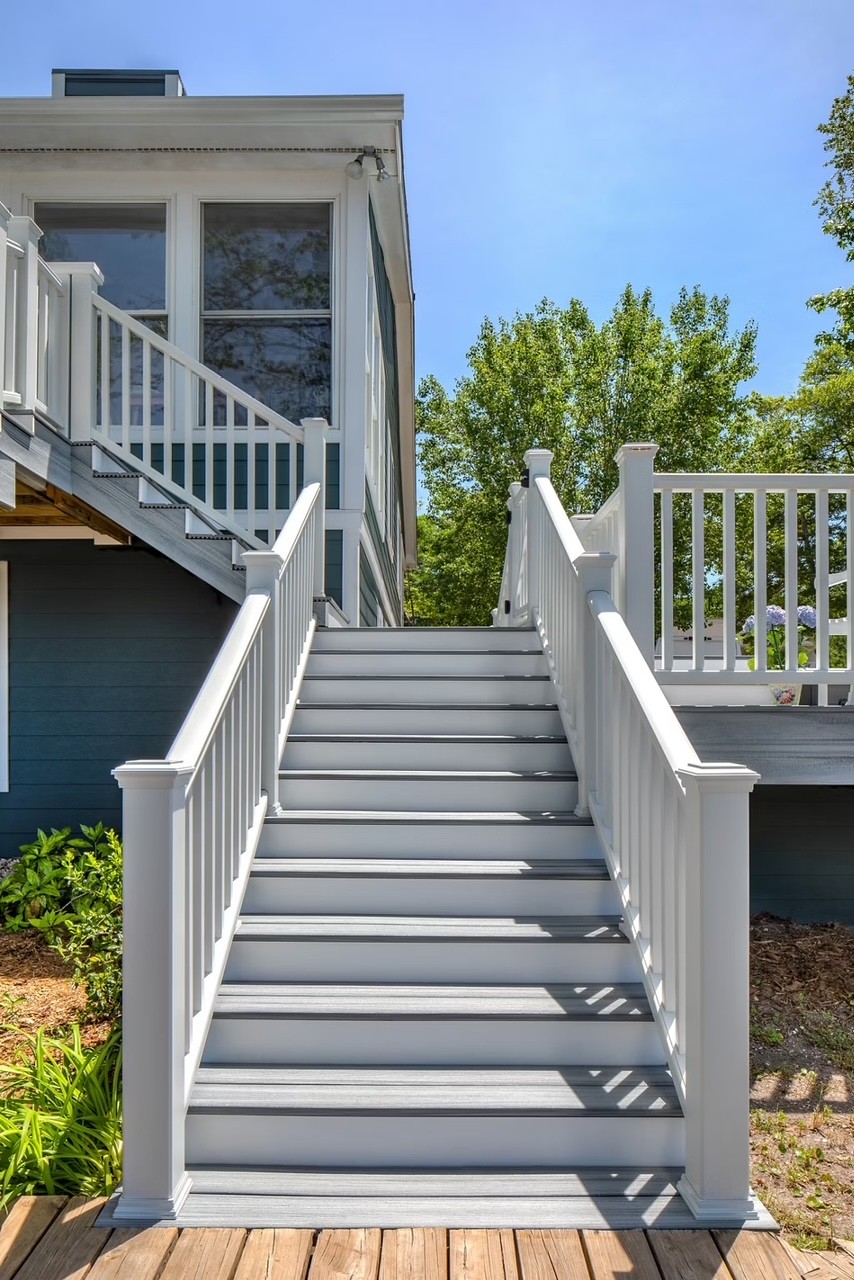
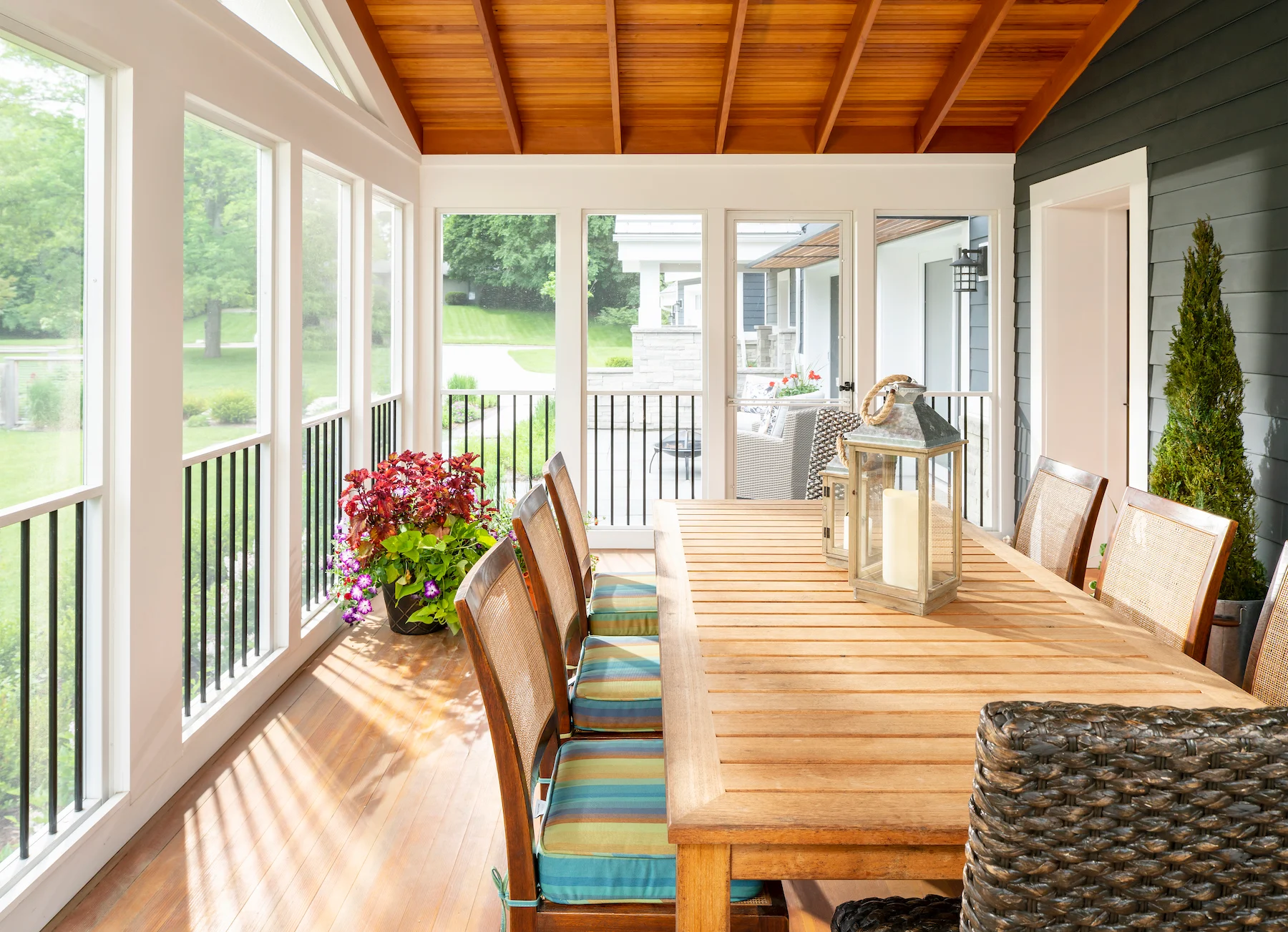
With the right layout, materials, and features, a terrace can become a comfortable place for dining, relaxing, entertaining, or simply enjoying fresh air. The challenge is knowing how to turn the available space into an outdoor area that feels intentional rather than like an unused extension of the yard.
Nashville Deck Systems designs and builds outdoor living spaces around how homeowners want to use their properties. Each project considers factors such as needs, budget, material preferences, and intended use. For a terrace, these details can help create a comfortable, functional space that fits naturally with your home and surrounding landscape.
What Should You Consider When Designing a Terrace for Outdoor Living?
Designing a terrace for outdoor living involves balancing function, comfort, appearance, and the conditions of your property. Consider how you plan to use the space, where it should be placed, how people will move through it, and which materials and features fit your home. A thoughtful layout planning process can bring these elements together while keeping the overall design practical.
Determine How You Will Use the Terrace
Start by identifying the activities you want the terrace to accommodate. A space designed for outdoor dining may need room for a table, chairs, and convenient access to the kitchen. A terrace intended for relaxing may require more lounge seating and open space. It can also provide a dedicated setting for leisure activities, such as reading, enjoying a morning coffee, or spending time with family.
If you plan to entertain, consider how many people you expect to accommodate and what activities you want the terrace to support. Defining its primary purpose early can help you choose features that suit the way you plan to use the space.
Choose the Right Terrace Location
The terrace should work naturally with the existing home and property. Consider how close it will be to frequently used rooms or entrances, the amount of sunlight it receives, available views, and the level of privacy the location provides.
A terrace positioned near the kitchen or living room can create a convenient transition between indoor and outdoor areas. You should also consider existing trees, gardens, slopes, and other landscape features that could influence the placement.
Plan the Size and Layout
A terrace needs enough space for its intended activities without taking over the entire yard. Measure the furniture and other features you expect to use, then allow room for people to move comfortably around them. Leave enough space between them so the terrace does not feel crowded.
Paths between the house, terrace, yard, and other outdoor areas should remain accessible. If the terrace includes dining and seating spaces, arrange them so each area feels distinct while still working together. This type of layout can make the terrace easier and more comfortable to use.
Select Suitable Terrace Materials
Choose materials based on appearance, durability, maintenance, and how the terrace will be used. Options may include wood, composite materials, pavers, or natural stone, depending on the design. Consider how each material will look with your home and perform in an outdoor setting.
The material should also complement the home’s exterior. Consider existing colors, textures, architectural details, and landscaping when making your selection. The right combination can define the terrace’s overall look and create a cohesive design. For hardscaped surfaces, different colors, textures, and patterns can also add visual interest without overwhelming the design.
Consider the Surrounding Landscape
A terrace should work with the yard rather than appear disconnected from it. Consider existing trees, planting areas, walkways, retaining features, and elevation changes, as well as how water moves across the property. Proper drainage is important for directing rainwater away from the terrace and home, reducing the risk of standing water, erosion, and moisture-related issues.
Landscaping can soften the transition between the terrace and yard while adding greenery, privacy, and visual interest. Trees, shrubs, planting beds, and other features can frame the space and make it feel more connected to the surrounding landscape.
The right features can make a terrace more comfortable, practical, and enjoyable. Choose elements that support your needs and complement the overall design rather than adding features only for appearance.
Add Shade and Weather Protection
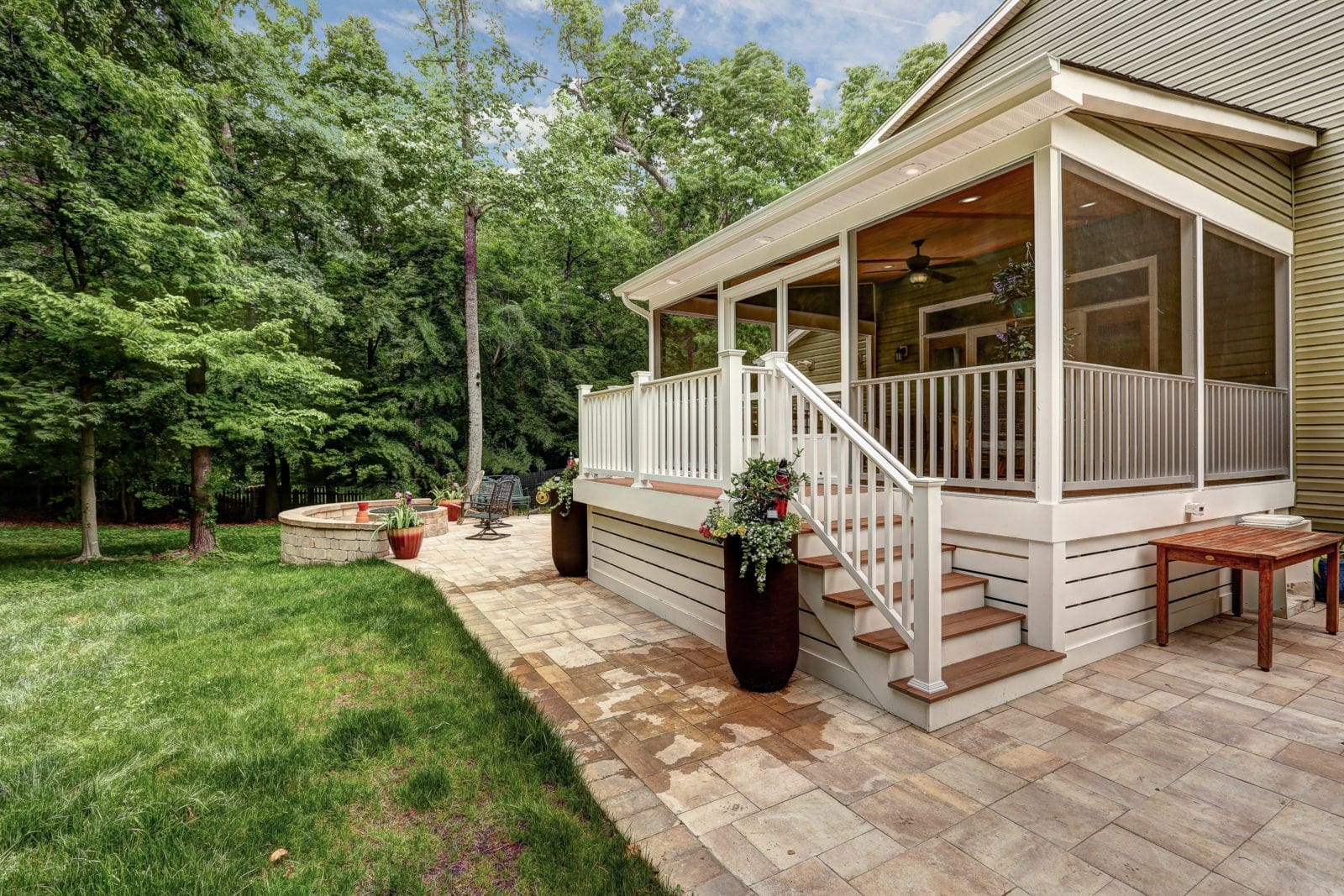
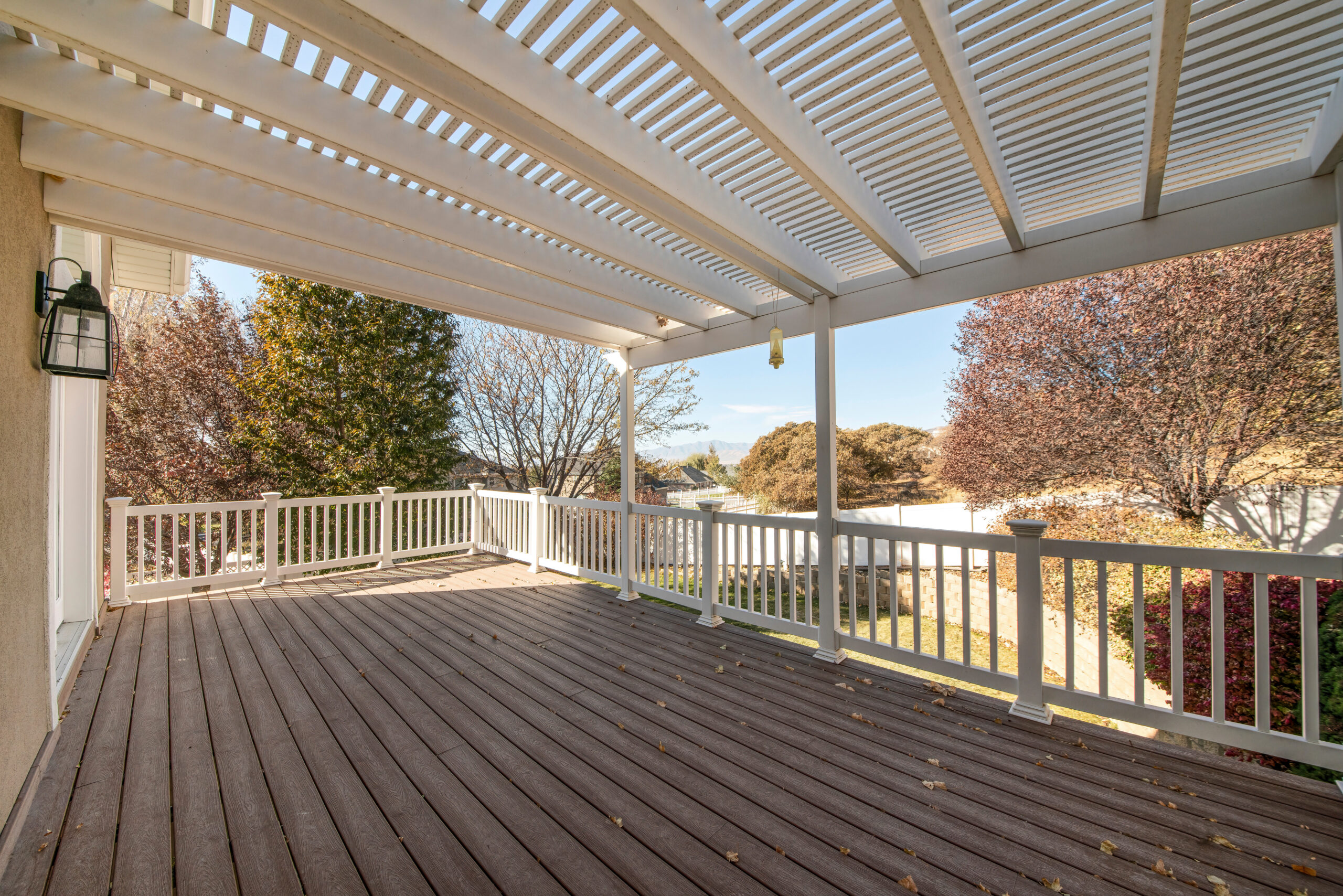
Pergolas, gazebos, awnings, and covered areas can provide shade and protection from the elements, making the terrace more comfortable throughout the day.
Create Comfortable Seating Areas
Choose seating that fits the terrace and leaves enough room for movement. Dining tables, lounge furniture, benches, or built-in seating can accommodate different ways of using the space.
Incorporate Privacy Features
Fencing, railings, screening, and landscaping can create separation from neighboring properties while maintaining an open and inviting outdoor environment.
Plan Outdoor Lighting
Outdoor lighting can make the terrace safer and more usable after dark. Place lighting around steps, walkways, dining areas, and seating spaces based on how you’ll use the terrace.
Include Built-In Features for Convenience
Built-in seating, planters, or storage can add function without taking up unnecessary space. Consider these features during the initial design so they integrate naturally with the terrace.
Terrace designs can vary based on your home’s architecture, available space, landscape, and intended use. Choosing a design style helps guide your selection of materials, finishes, and features for a cohesive outdoor living space.
Modern Terrace Design
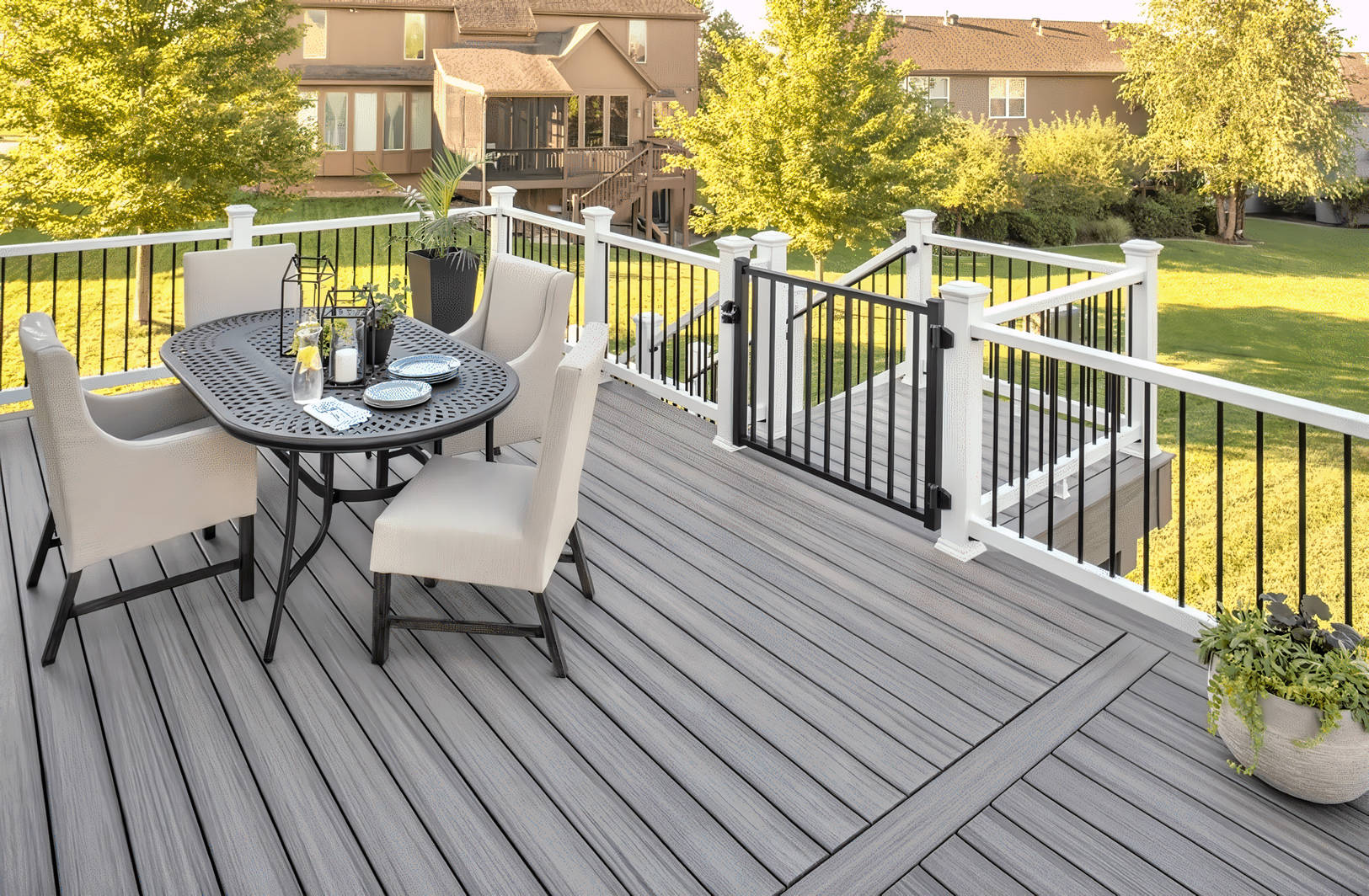
A modern terrace has a clean, uncluttered feel, with simple lines and an open layout. Sleek materials, neutral tones, and streamlined furniture work well with contemporary homes and minimalist landscaping. Keeping the design simple can also make a smaller terrace feel more open and spacious.
Traditional Terrace Design
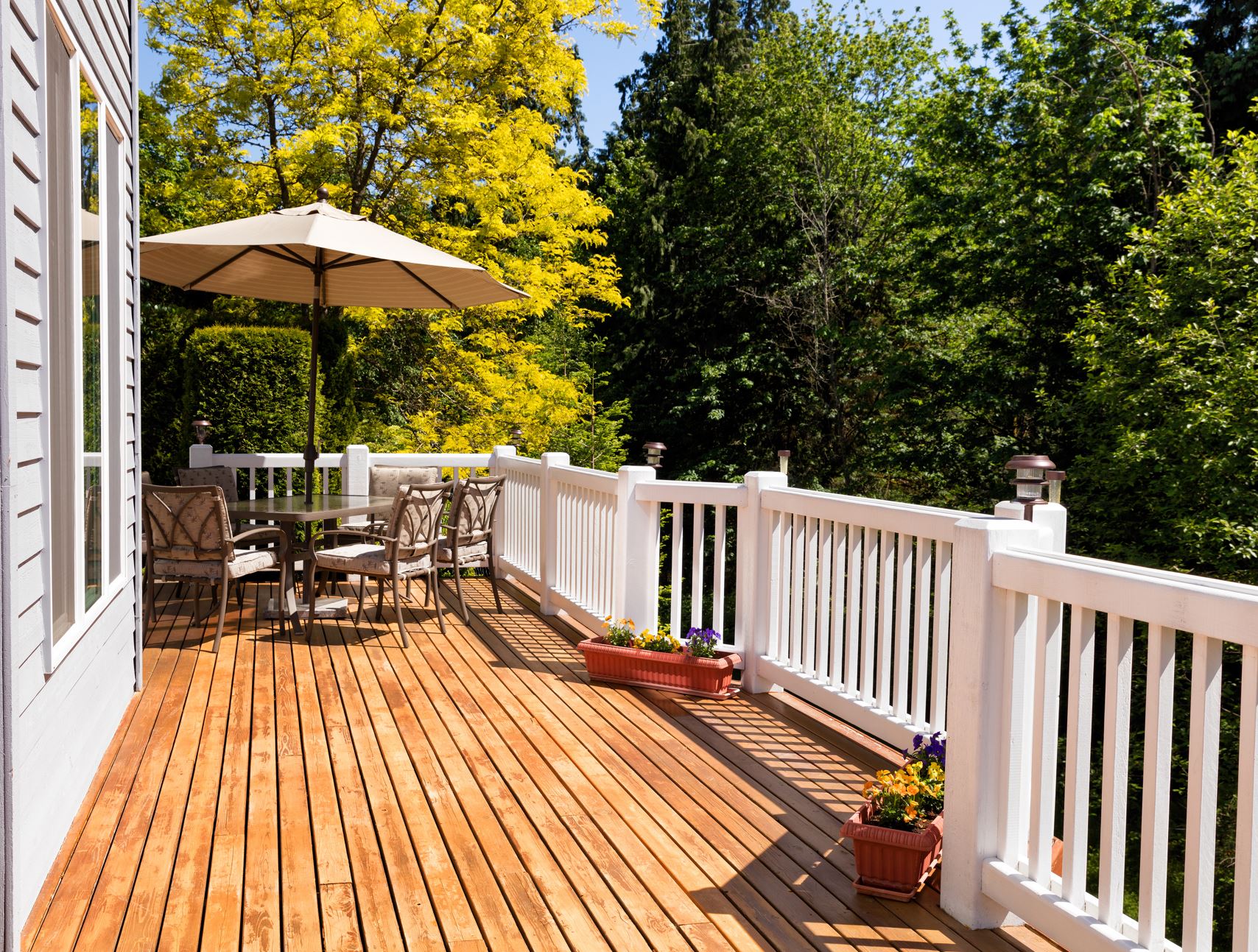
Traditional terrace designs use classic materials, warm finishes, and balanced details. Features such as defined borders, natural materials, and coordinated architectural elements can create a timeless look that complements traditional home styles. This approach works well when you want the terrace to feel like a natural extension of the home’s existing character.
Rustic Terrace Design
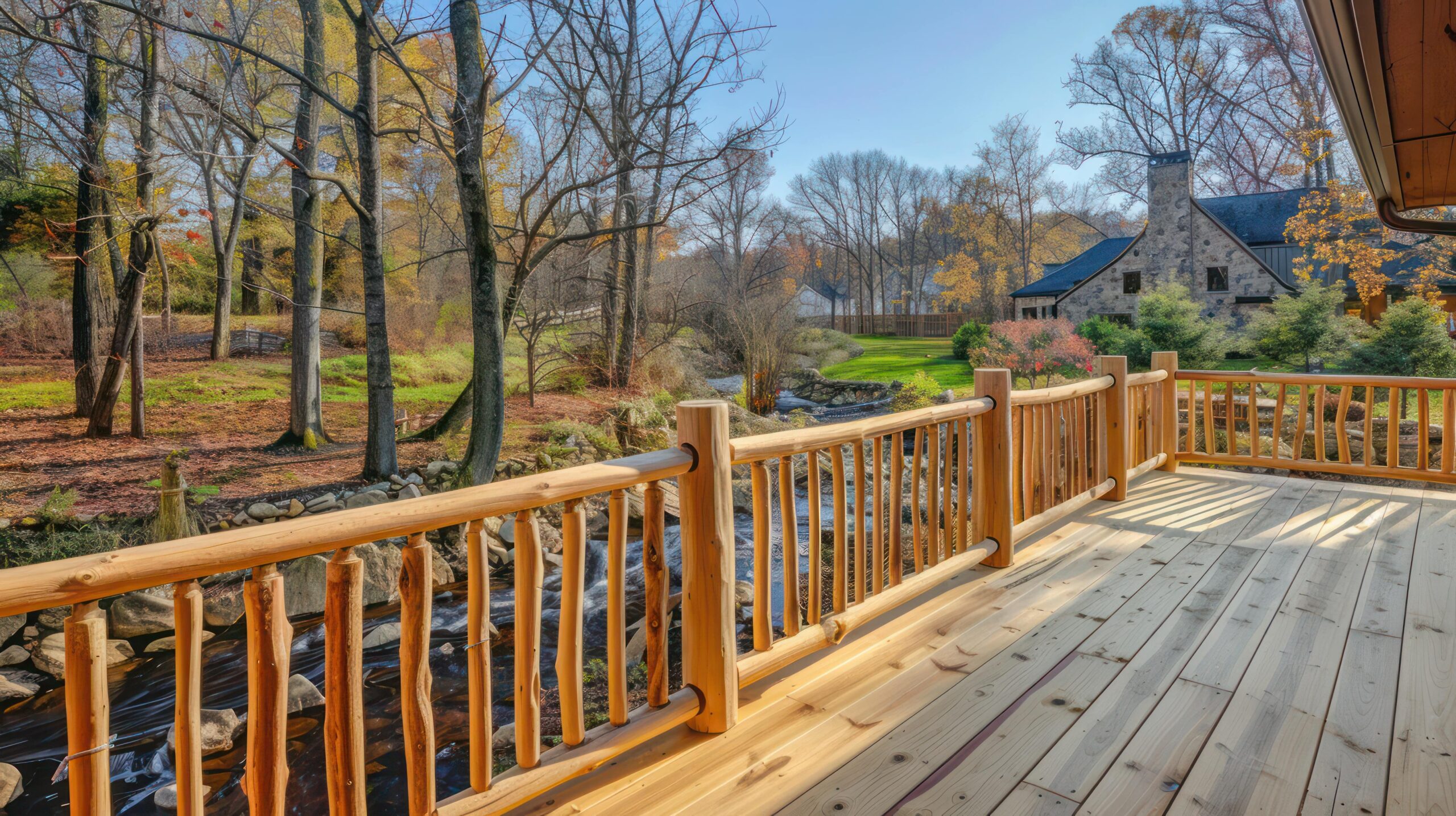
Rustic terraces emphasize natural materials, earthy tones, and organic textures. Wood, natural stone, and surrounding greenery can give the space a relaxed appearance while helping it blend with the landscape. Simple furniture and natural finishes can further reinforce the casual, welcoming feel.
Multi-Level Terrace Design
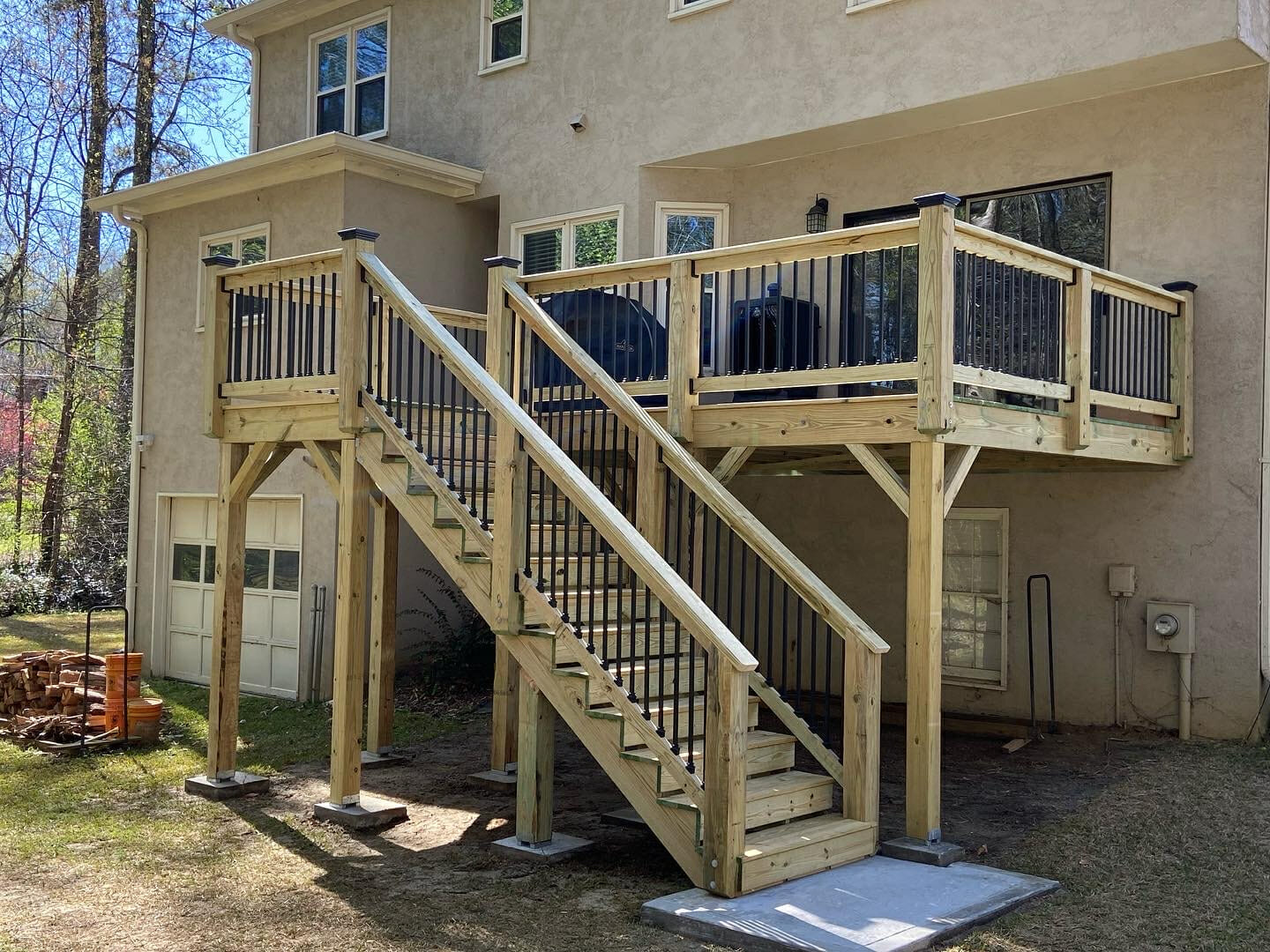
A multi-level terrace uses different elevations to create separate areas within the same outdoor space. This approach can be particularly useful for sloped properties or larger terraces where dining, seating, and other activities can be positioned on different levels. The varying elevations can also add visual interest to the overall design.
Covered Terrace Design
A covered terrace incorporates an overhead structure such as a pergola, gazebo, or roof. Besides defining the outdoor living area, the covering can provide shade and make the terrace more comfortable during sunny or changing weather conditions. It can also create a more intimate setting for dining or relaxing outdoors.
A terrace should be a place you look forward to using, not another part of the yard that sits empty because the layout feels awkward or the space does not suit your needs. A thoughtful design can give you a comfortable place to enjoy meals, relax with family, or entertain guests while making better use of your outdoor space.
Nashville Deck Systems can bring your ideas together into a terrace designed around your home and property. From the layout and materials to the features and finishing details, each element can be planned to create a space that feels comfortable, practical, and inviting. Contact us today to start planning your terrace and create a functional outdoor living space.