What are the Benefits of a Pedestal Decking System?
Not every property is well suited to a conventional deck structure. Flat or sloped surfaces, balconies, terraces, existing concrete, and other finished surfaces can present constraints that make traditional framing less practical.
Pedestal decking systems offer another way to build over these areas using adjustable supports rather than conventional framing. Nashville Deck Systems explains where this approach can be beneficial and what limitations to consider before choosing it for a project.
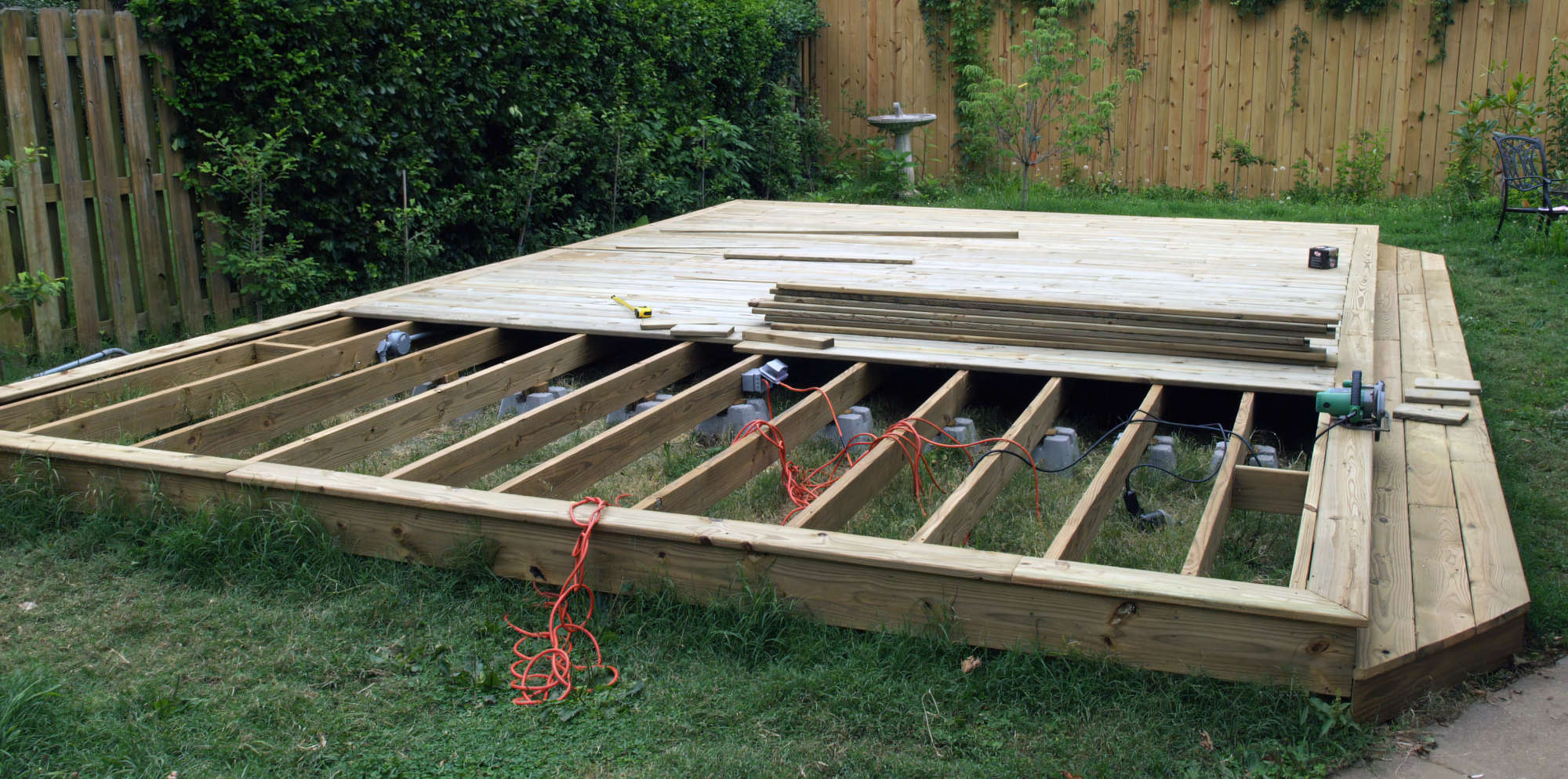
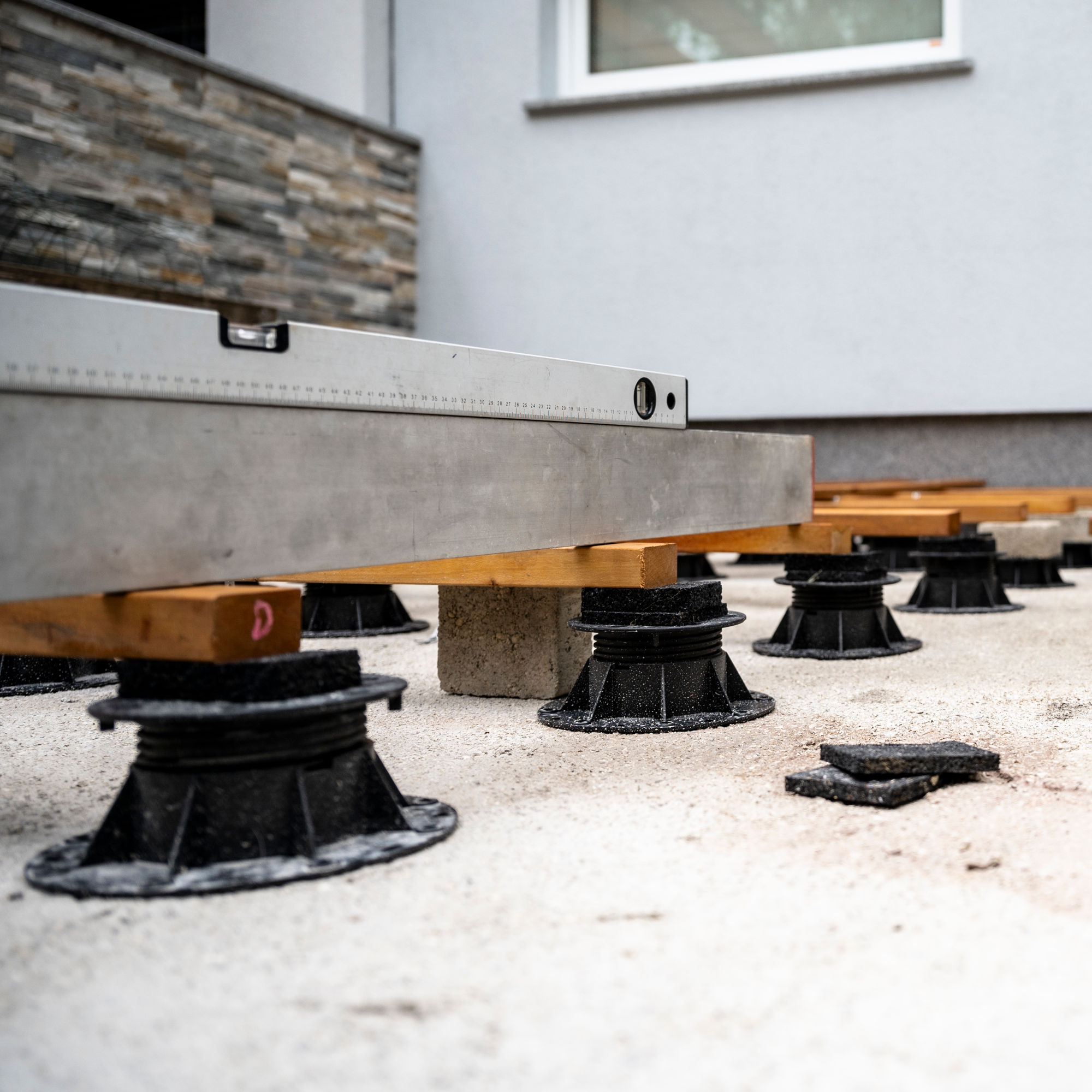
The main advantage of a pedestal decking system comes from the way the deck is supported independently from the surface below. Instead of relying on continuous framing or permanently bonded materials, porcelain tiles, raised floors, decking boards, or paving slabs rests on a support system that consists of individual adjustable threaded bodies. This gives the system more flexibility in how it responds to existing site conditions.
Reduces the Risk of Roofing Membrane Damage
Traditional roof deck construction often has wood or aluminum framing resting directly on the roof membrane. This creates long contact points where movement from foot traffic, thermal expansion, or shifting loads can cause rubbing and abrasion over time. This can wear down the waterproofing layer and increase the risk of leaks.
A raised pedestal system supports the deck at individual points instead. The wide self-leveling heads distribute the load, while compatible rubber pads or protective layers reduce friction against waterproofing membranes. This limits direct contact with the membrane and helps preserve the waterproofing underneath the deck.
Improves Subsurface Drainage
Wood or aluminum joist systems can obstruct water as it moves across the surface beneath the deck, especially when framing members disrupt the drainage system. This can make water management in the area difficult, leading to water entrapment and increasing the risk of mold growth, standing water, or deck decay.
The system only comes into contact with the surface at individual support points rather than through continuous framing members. This leaves more open space for water flow toward drains or designated runoff areas.
Makes Under-Deck Repairs and Maintenance Easier
Typical deck framing can make it difficult to access the surface and components underneath, especially for balcony and rooftop decks. Inspecting for leaks, repairing waterproofing, servicing drains, or accessing wiring and other utilities may require removing large sections of wood or composite decking or framing just to reach the problem area.
With this decking system, individual pavers or modular deck sections can be lifted to expose the area below. This makes inspections, repairs, and maintenance easier while reducing the amount of wood or composite boards that need to be removed and reinstalled.
Allows Precise Deck Leveling
Outdoor slabs, rooftops, and other deck bases are often built with a noticeable slope to move water toward drains or runoff areas. Adjustable pedestals can help create a more level finished deck surface while maintaining the underlying slope needed for drainage.
The system has adjustable height pedestals that allow each support head to compensate for uneven concrete, sloped roofs, or minor settling in compacted gravel. Individual low or high spots can be corrected without resurfacing the entire base, making it easier to maintain a consistent deck surface over time.
Simplifies the Installation Process
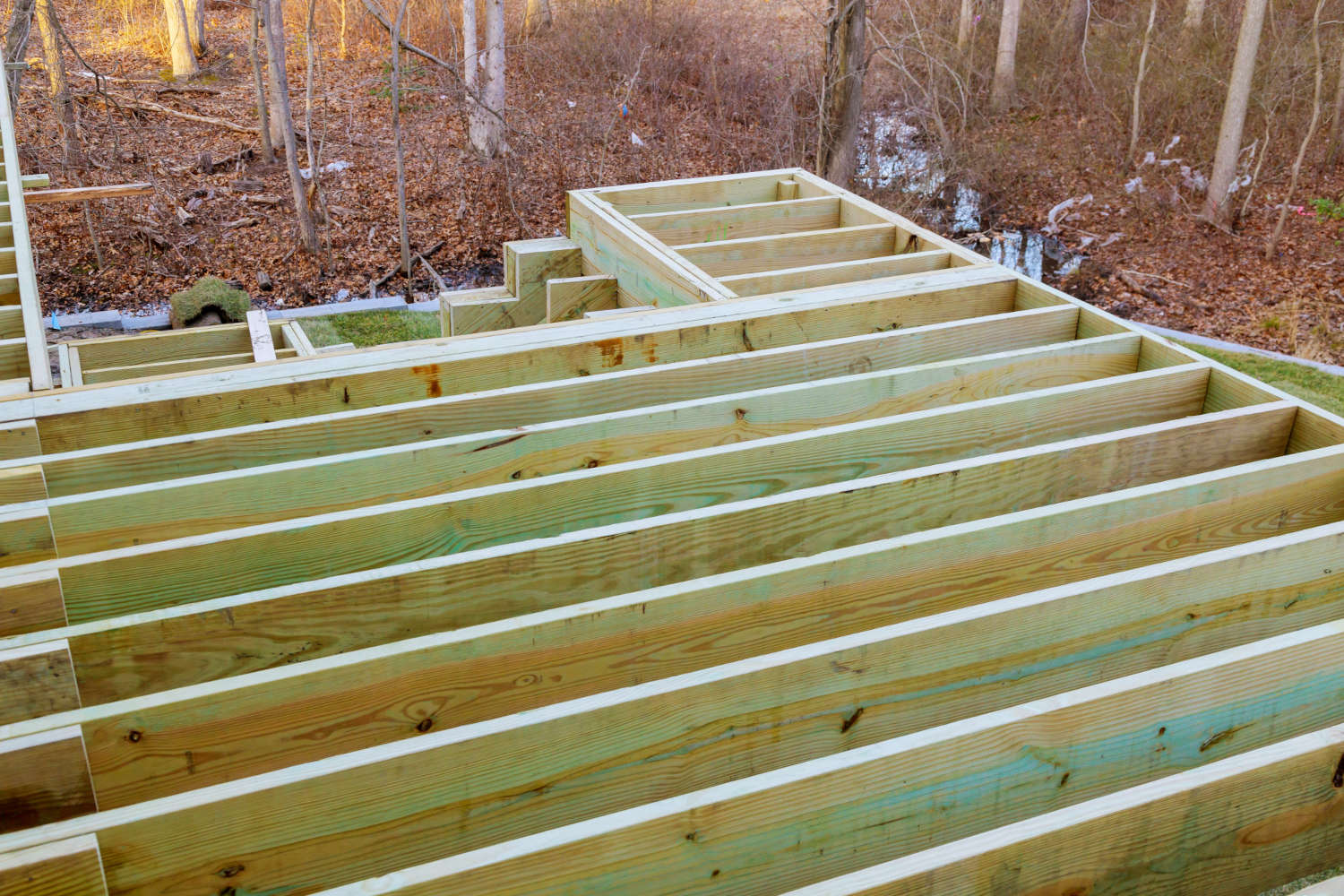
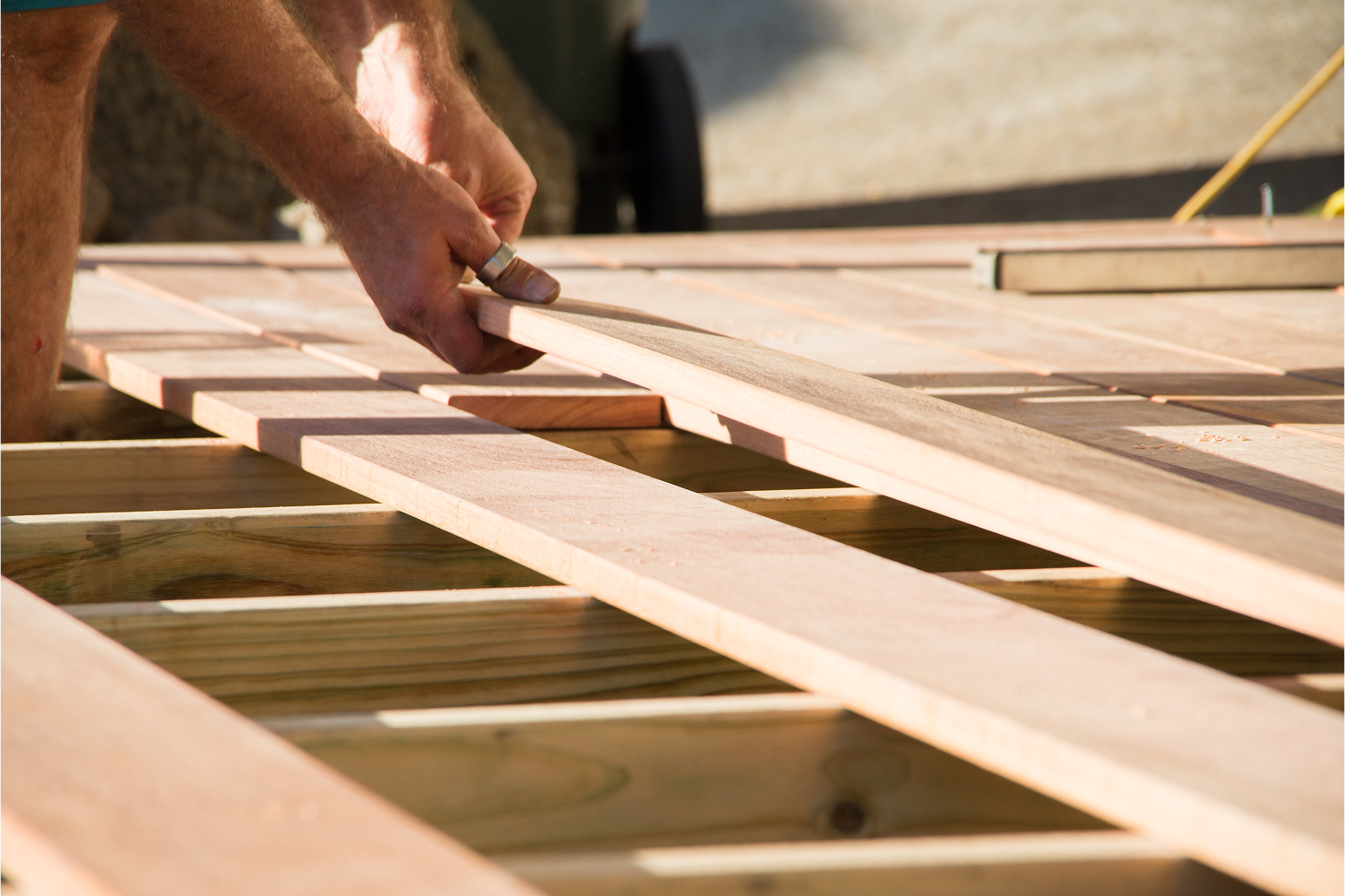
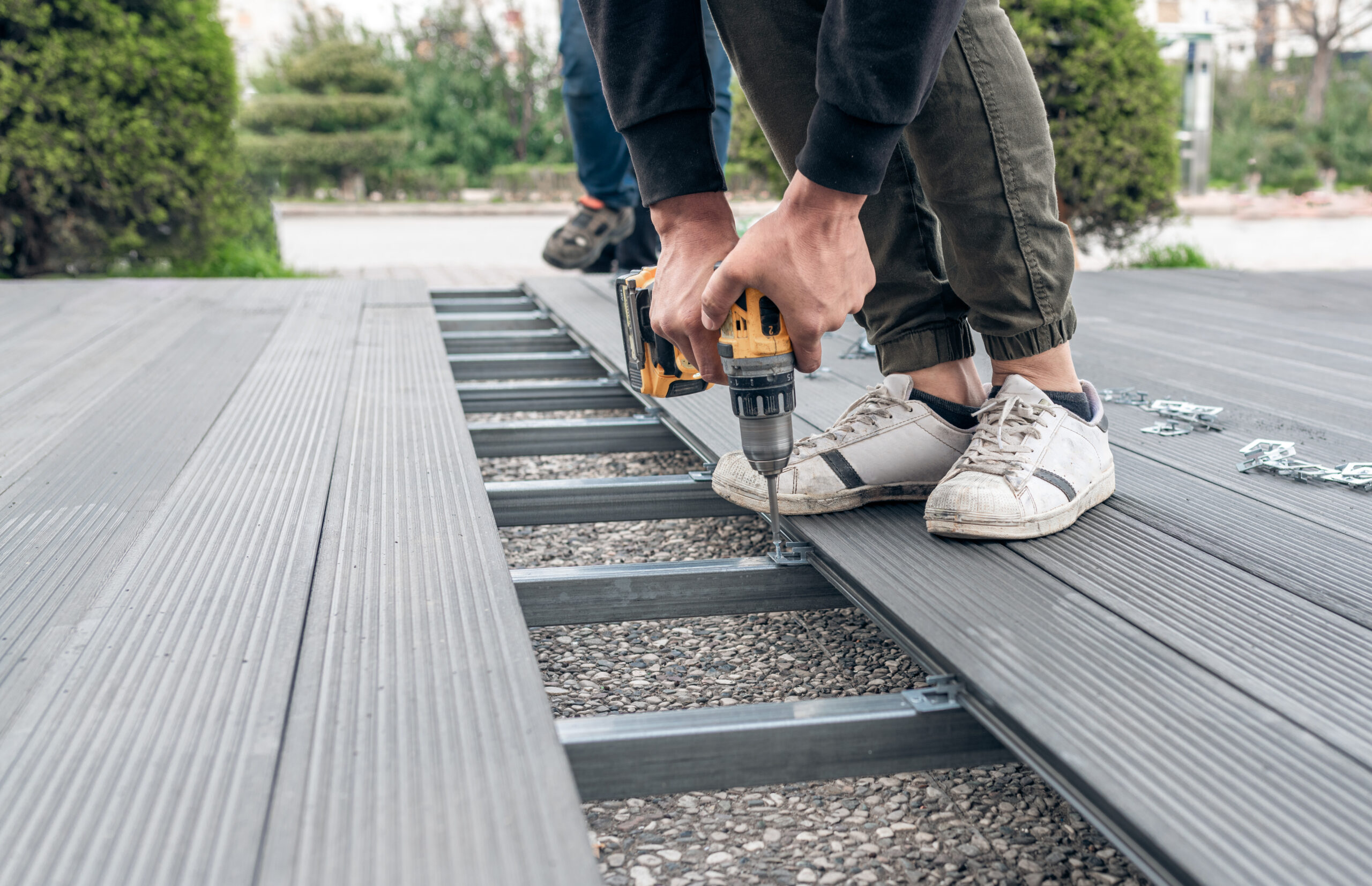
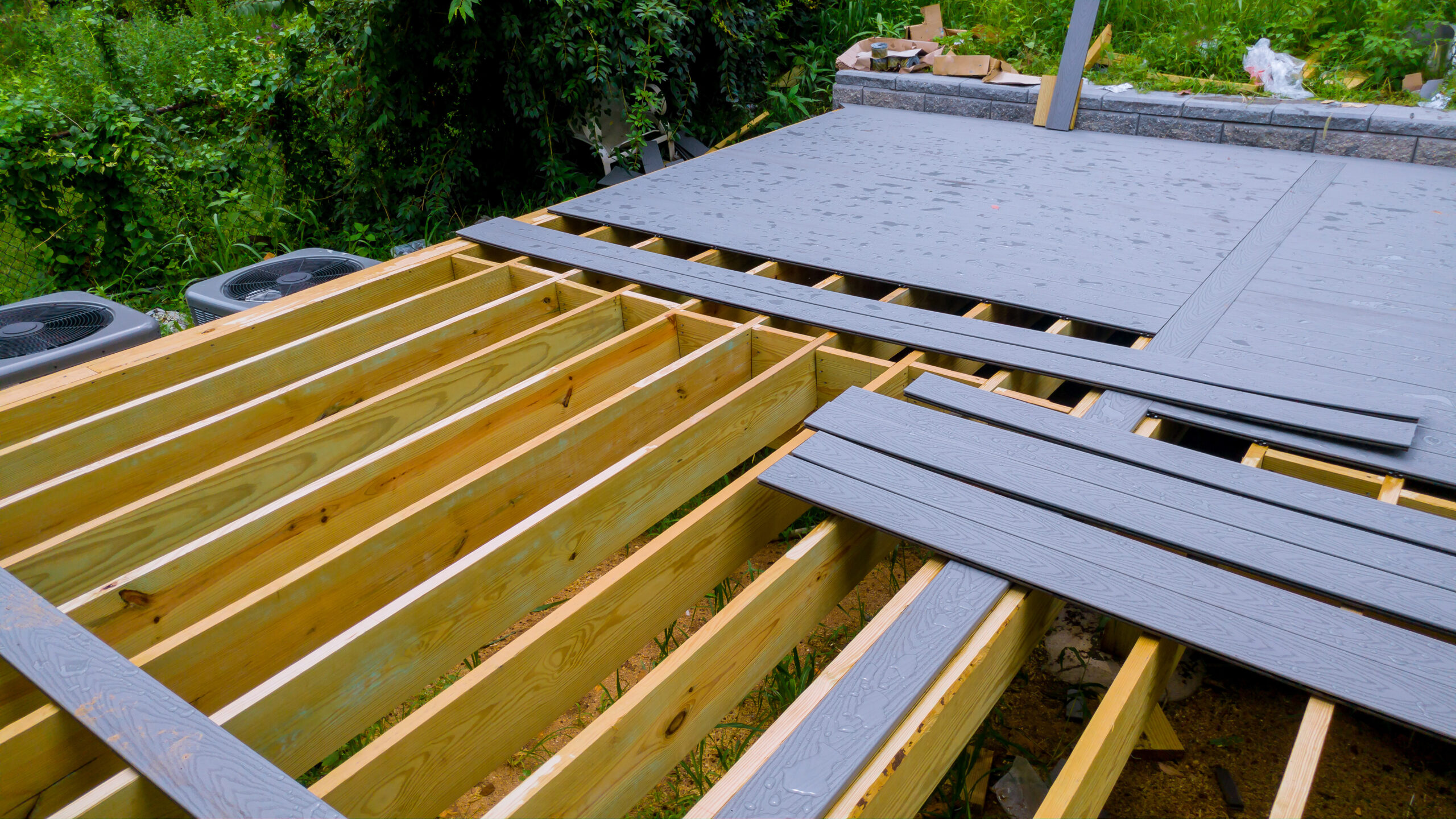
Pedestal systems can simplify the installation of a new deck when a suitable supporting surface is already in place. Rather than building a full post-and-beam structure or extensive framing system, installers can position and adjust individual supports to create the required deck elevation.
In many applications, this means fewer structural components, less cutting and fastening, and less construction debris. However, the amount of preparation still depends on the condition of the existing surface and the type of pedestal system being used.
Makes Individual Components Easier to Replace
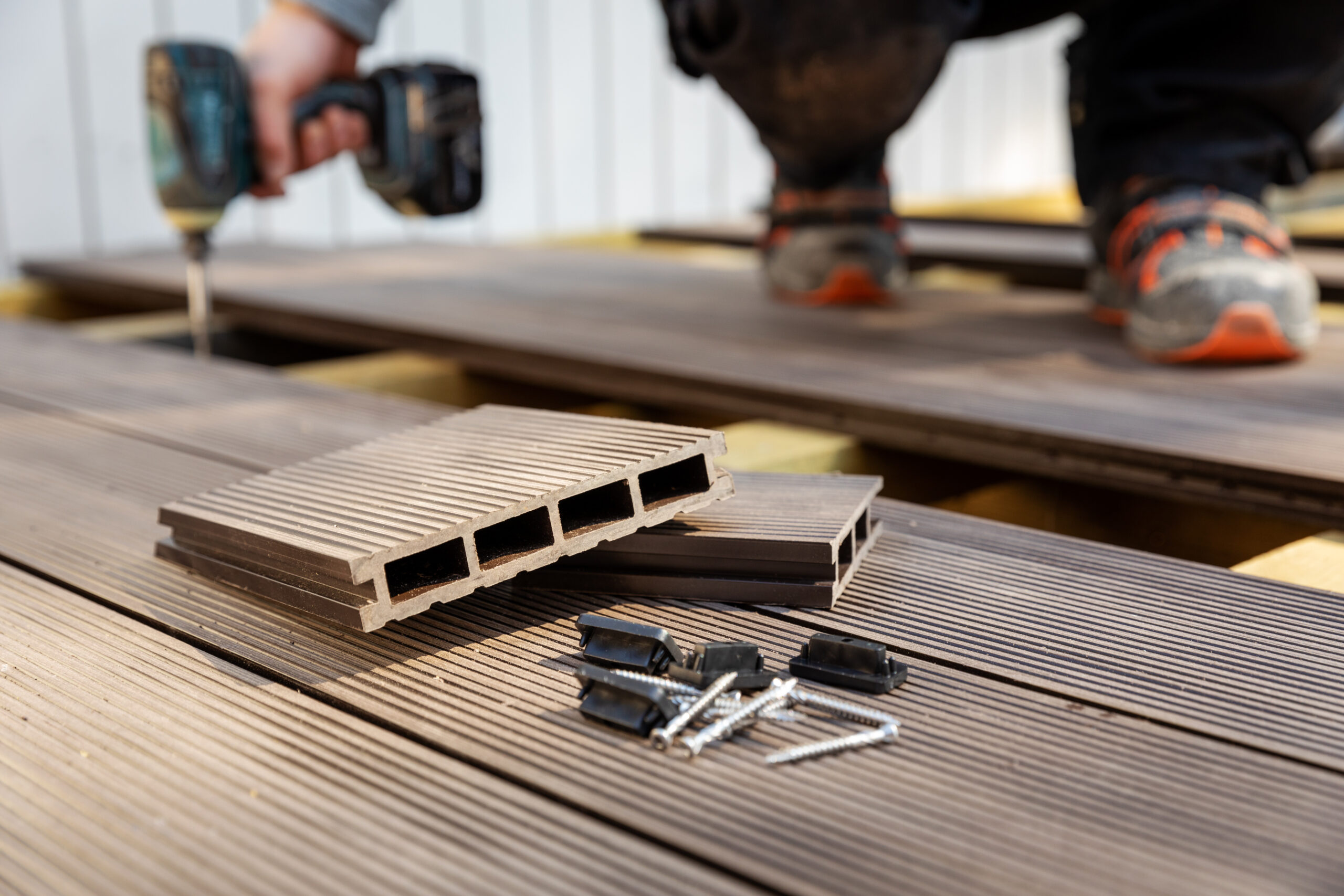
The components of pedestal decks can often be replaced individually without disturbing large areas of the deck. Since the finished surface is supported mechanically rather than permanently bonded to the base, pavers, boards, modular deck sections, and other individual components can be removed and replaced on their own.
This feature is especially useful when a single paver cracks, a board becomes damaged, or one section wears out before the rest of the deck. Replacement work is more localized, reducing labor, repair costs, and material waste while avoiding disruption to the surrounding deck.
Although an adjustable pedestal system offers clear advantages, it may not be suitable for every project. The system also comes with drawbacks that affect cost, installation requirements, and conditions of the outdoor living space depending on the site and application.
Higher Initial Cost
Pedestal decking methods have a higher initial cost compared to simpler deck construction methods. The pedestals are precision-made components, and some installations also require structural concrete or porcelain pavers or deck tiles, support rails, bracing, edge restraints, or other accessories.
The added cost can be worthwhile when the project benefits from easier access, improved water drainage, or adjustability, but for a basic ground-level deck, a conventional decking system may require fewer specialized components.
May Require Additional Base Preparation
Pedestal decking systems need a firm, load-bearing base, which can add extra preparation work on sites that are not already suitable. Soft soil, grass, loose sand, and poorly compacted ground generally need to be excavated and stabilized before the pedestals can be installed.
For ground-level decks, this may involve removing soil, installing geotextile fabric, adding and compacting aggregate, or constructing another suitable base. As a result, the installation can become more labor-intensive and expensive when the existing structural surface is not already prepared to support the system.
May Require Wind-Uplift Protection
Pedestal decks installed in exposed locations may need additional measures to resist wind uplift. Depending on the system and site conditions, this can include locking clips, mechanical restraints, edge restraints, heavier porcelain or concrete pavers, or other manufacturer-specified components.
These measures are especially relevant on rooftops, high-rise buildings, coastal properties, and other areas exposed to strong winds. While they improve stability, they can also add material costs and make the installation more complex.
Is a Pedestal Decking System Right for Your Project?
A pedestal deck makes the most sense when the site calls for more flexibility than a traditional deck can offer. The best choice still depends on the surface, the required deck height adjustment, materials, and exposure conditions.
If you’re considering one, Nashville Deck Systems can help you decide whether a terrace pedestal system fits your outdoor spaces.