
What are the Different Types of Deck Railing?

Deck railings do more than provide a safety barrier around an elevated deck. The material and design you choose can affect maintenance, durability, views, privacy, and how the rail complements the appearance of the home.
Homeowners have a wide range of options, from traditional wood and low-maintenance composite to aluminum, steel, cable, and glass systems. Nashville Deck Systems breaks down the different types of deck railing by material and design to help homeowners understand how each option differs and what to consider when choosing one.
Types of Deck Railing by Material
The deck rail material affects more than appearance. It also determines how much maintenance the system needs, how well it handles moisture and weather exposure, how much of the view it blocks, and how it fits the overall budget.
Some materials are better suited for homeowners who want a traditional look, while others prioritize easier upkeep, slimmer profiles, or clearer sightlines. Common railing options include wood, composite, vinyl, aluminum, steel, glass, and mixed-material systems.
Wood Railings
Wood remains a popular deck railing material since it can be cut, shaped, painted, stained, and matched to almost any wood deck. The tradeoff is maintenance since exposure to Nashville’s rain, humidity, sun, and seasonal temperature shifts can lead to fading, checking, splitting, or warping.
Common wooden railing options include:
- Pressure-Treated Wood Rails: This material is relatively affordable and treated to resist decay and insect damage. Homeowners should still expect periodic cleaning, sealing or staining, and inspection as the wood weathers.
- Cedar Rails: Cedar offers a more finished natural appearance than standard pressure-treated lumber and has natural resistance to decay and insects. It is lighter, but it costs more than treated pine and will gradually turn gray if left unstained and unsealed.
- Redwood Rails: Redwood is naturally resistant to decay and provides the warm color and grain associated with premium wood decks. It is much more common in western states where redwood is grown and distributed locally, so it needs to be specially sourced and can cost more in Tennessee.
- Tropical Hardwood Rails: Dense hardwoods like ipe, cumaru, and garapa are valued for their strength, natural durability, and resistance to outdoor exposure. Their density makes them heavier and more difficult to cut and fasten. They are also among the more expensive wood options.
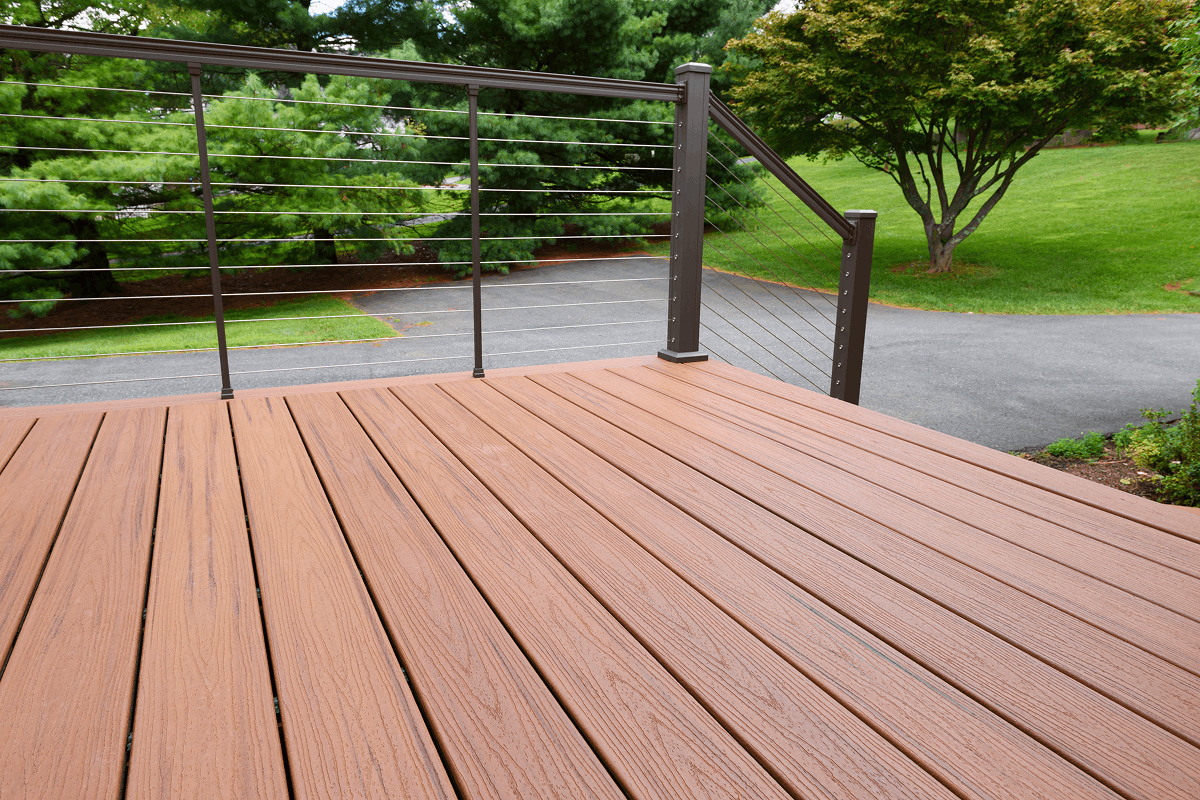
Composite Railings
Composite railings are made from wood fibers and synthetic materials, often with a protective outer shell and reinforced internal structure. They generally cost more upfront than pressure-treated wood rails but require less routine maintenance.
Aside from periodic cleaning, composite rails do not need sanding, staining, or sealing. They are also resistant to rot, splintering, and insect damage, making it a practical low-maintenance option for outdoor use.
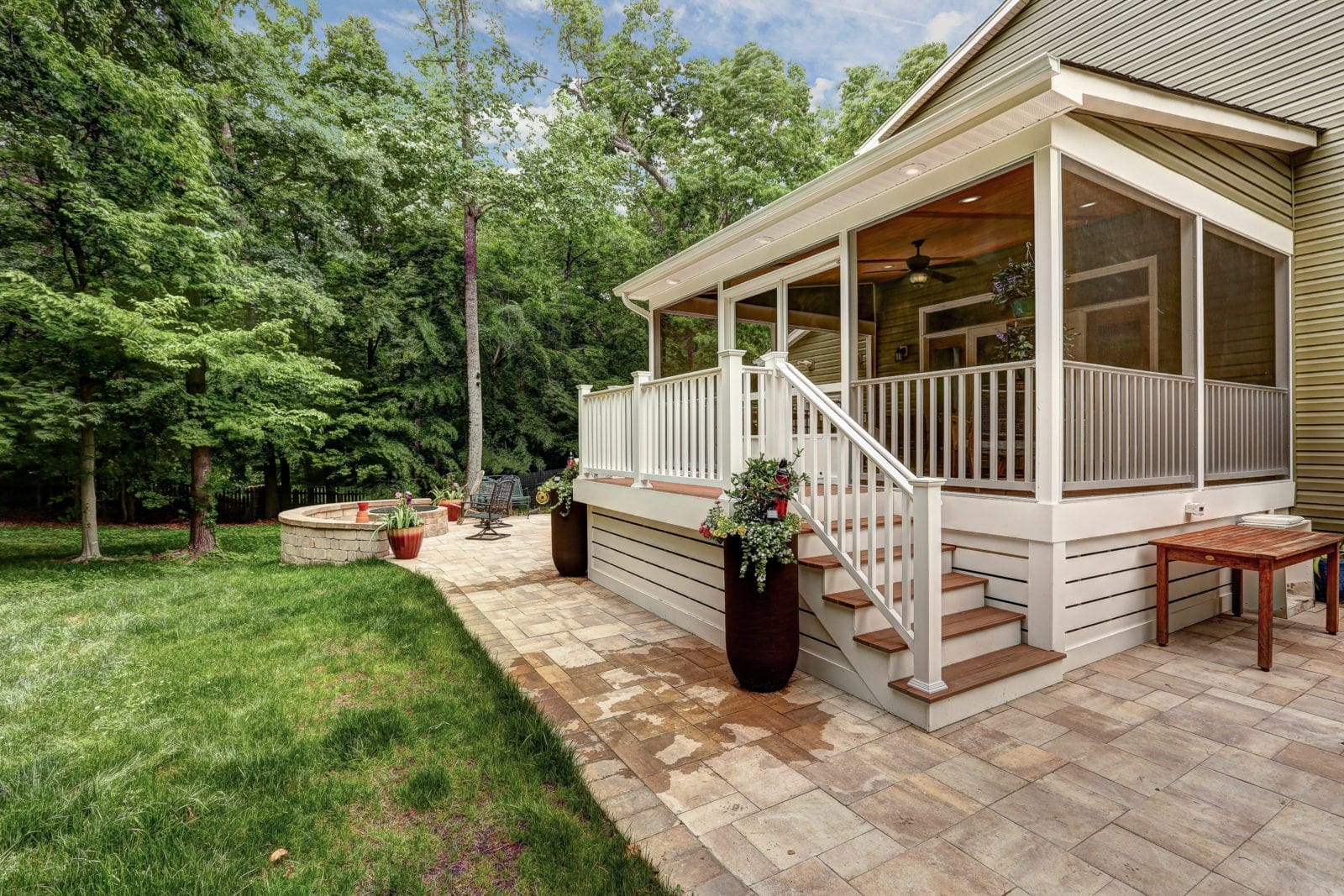
Vinyl Railings
Vinyl railings are made from PVC, a synthetic material that does not rot, splinter, or attract insects. They do not need sanding, staining, or sealing, so routine maintenance is usually limited to occasional cleaning.
Vinyl also handles moisture well, which can be useful in humid or rainy cli mates. However, it can expand and contract with temperature changes, and lower-quality products may fade or become brittle over time. Vinyl typically costs more upfront than wood, but its lower maintenance requirements can reduce long-term upkeep costs.
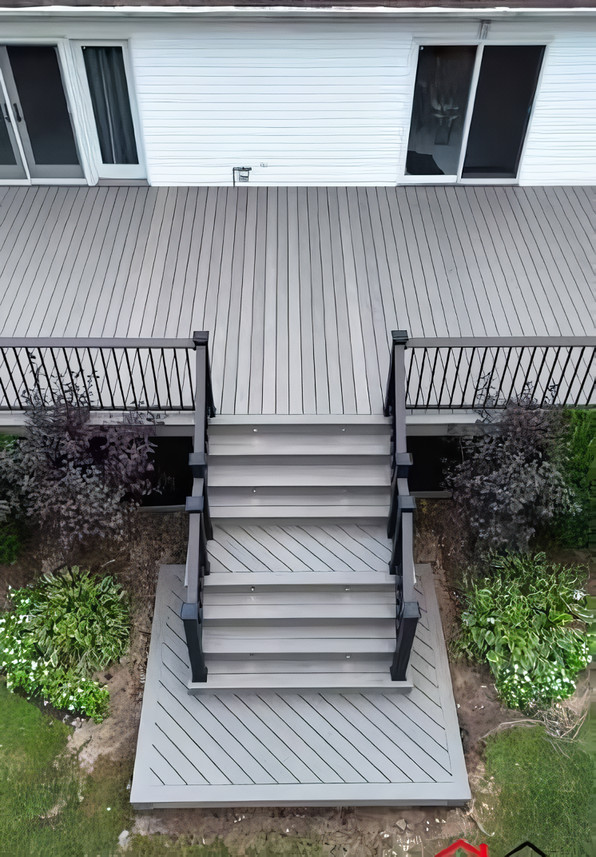
Aluminum Railings
Aluminum railings are lightweight, corrosion-resistant, and require very little maintenance. Many aluminum railing systems use a powder-coated finish that helps protect the metal from moisture and weather exposure while eliminating the need for regular painting or sealing.
Aluminum performs well in humid and rainy areas since it will not rot or splinter when exposed to moisture. It usually costs more upfront than pressure-treated wood, but its low maintenance needs and corrosion resistance can make it a practical long-term option for homeowners.
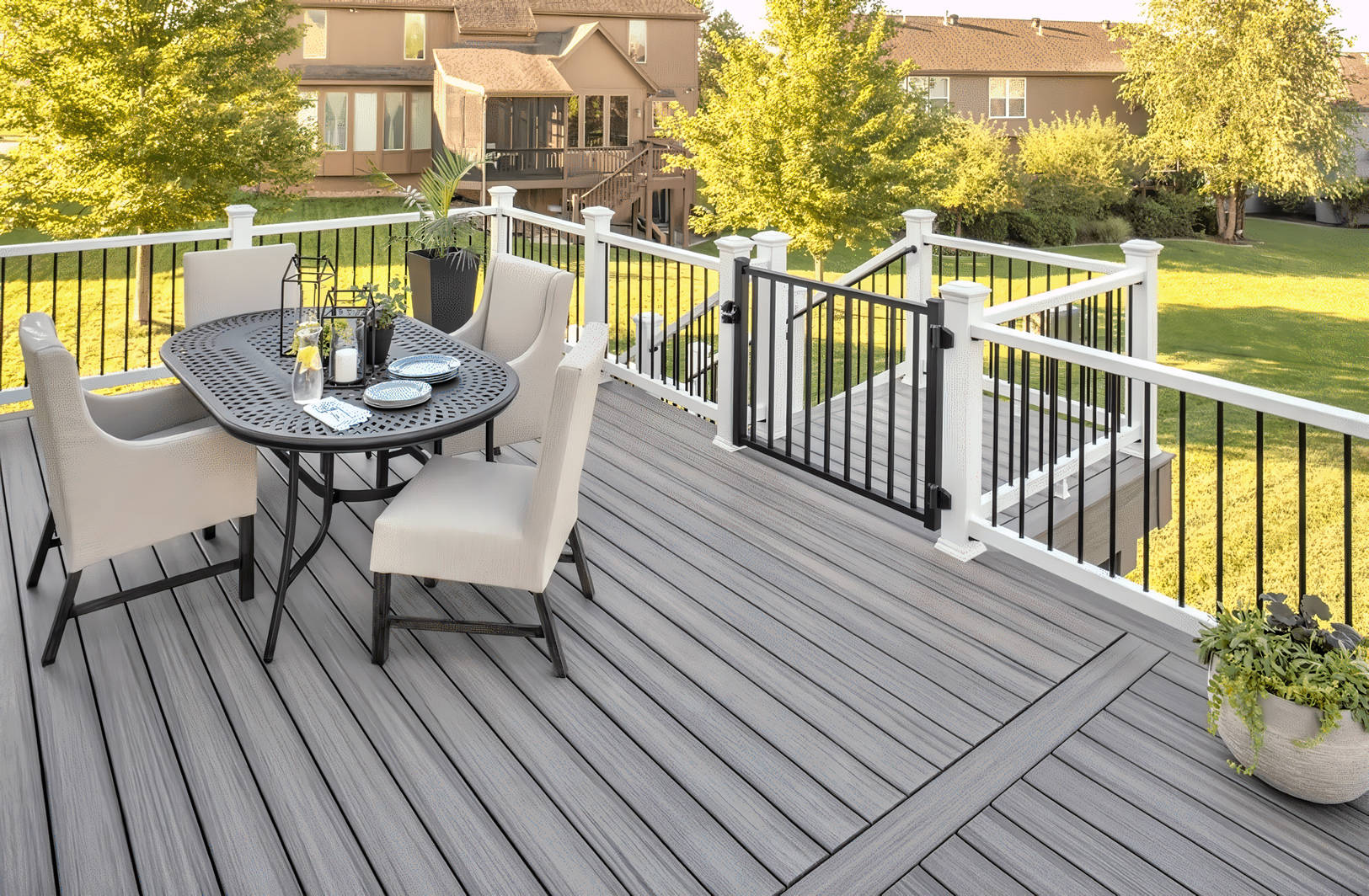
Steel Railings
Steel railings are stronger and heavier than aluminum. They are a good option when rigidity and structural strength are priorities. Most modern metal railing systems use galvanized, powder-coated, or otherwise protected steel to help prevent corrosion.
Steel requires more attention to rust protection, especially if the coating is scratched or damaged. Steel railing can also be more expensive and labor-intensive to install because of its weight, but it offers excellent durability and works well for homeowners who want a solid, long-lasting material.
Glass Railings
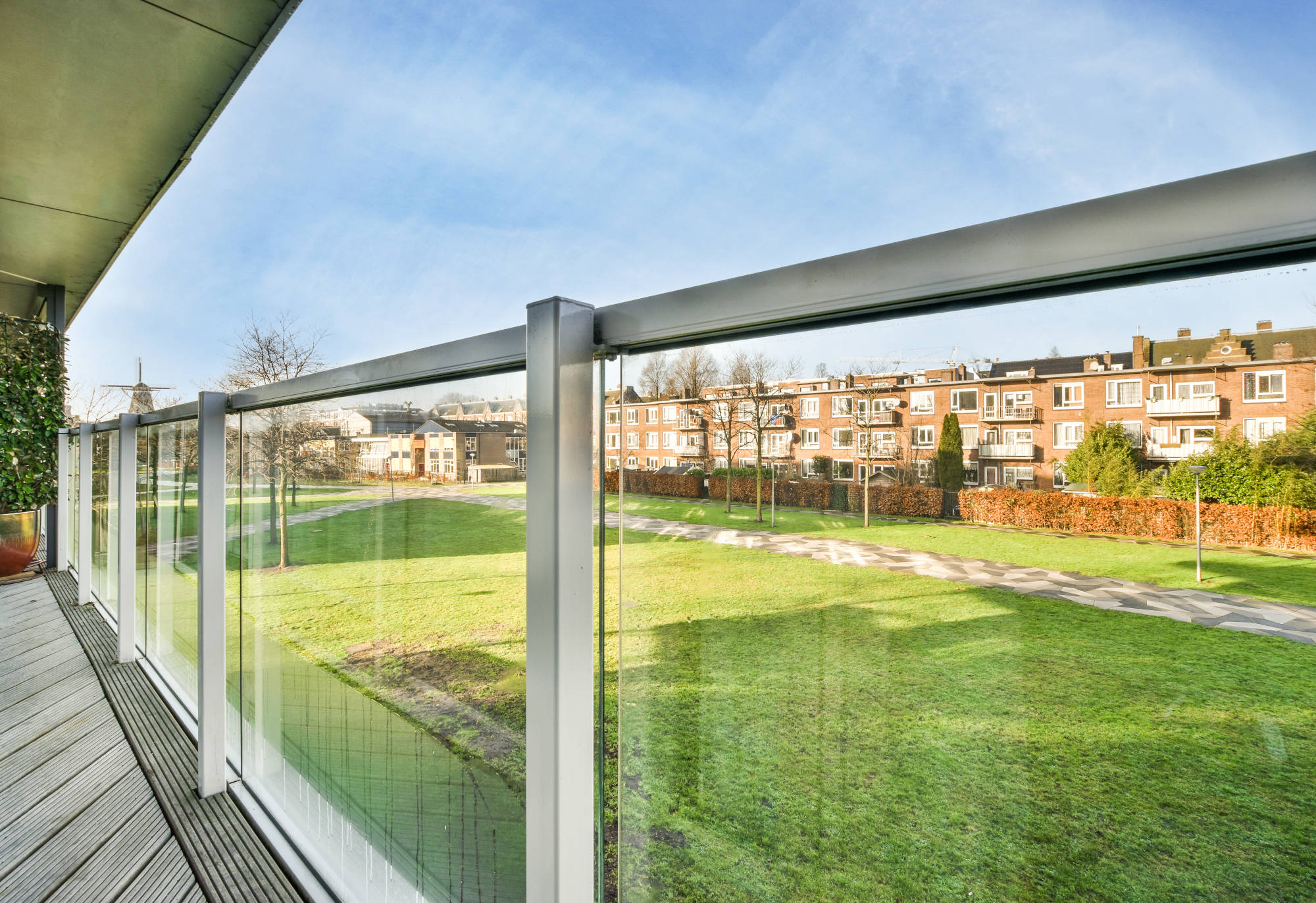
Glass railings use tempered or laminated safety glass as the main infill material, with aluminum, stainless steel, or wood posts and hardware providing structural support. There are frameless glass railing systems that use less visible metal but still rely on components such as hardware to secure the glass.
The glass itself does not rot, rust, or require refinishing, but it easily shows fingerprints, pollen, water spots, and dirt compared to other materials. Because of the safety glass and specialized hardware involved, glass railing systems are also typically among the more expensive options.
Mixed-Material Railing Systems
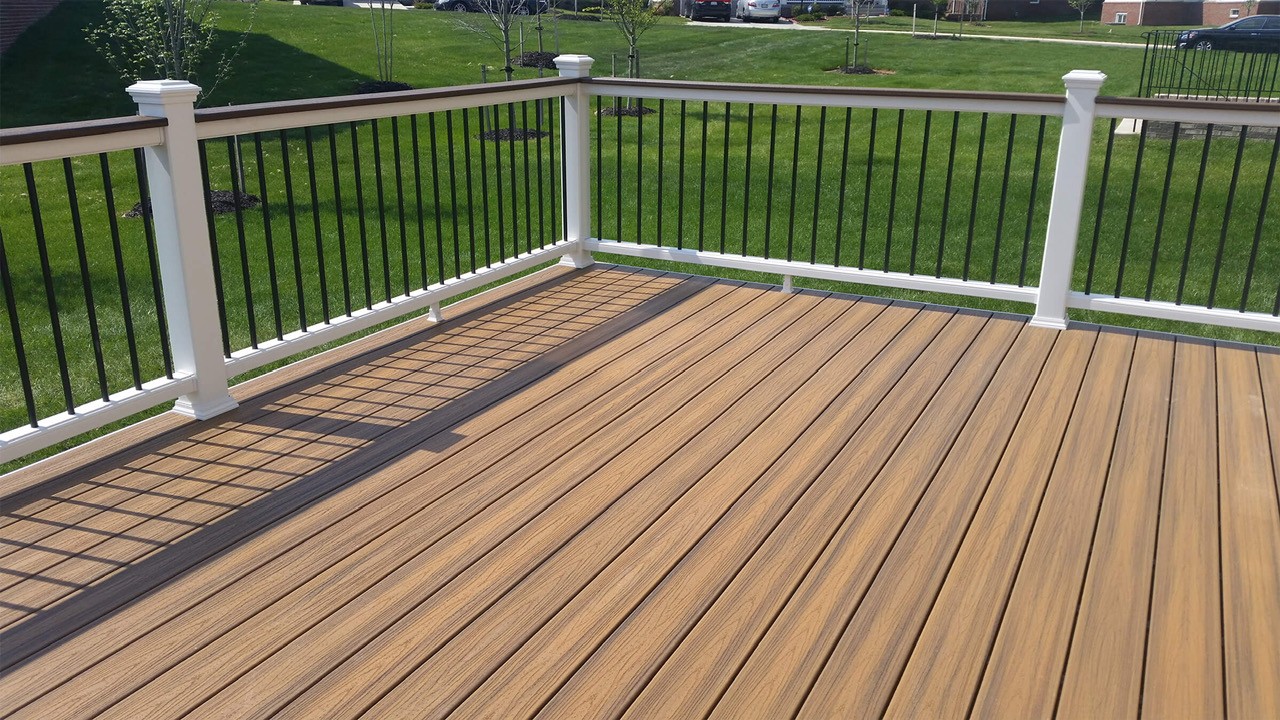
Mixed-material rail systems combine two or more materials, such as wood posts with stainless-steel cable, composite rails with aluminum balusters, or aluminum frames with glass panels. This allows homeowners to balance the durability, maintenance needs, and cost of different materials within one rail system.
The main consideration is that each material still has its own maintenance requirements. For example, stainless-steel cable may need very little upkeep, but wood posts in the same system will still require periodic sealing or staining.
Deck Railing Types by Design

Railing design refers to how the posts, rails, balusters, cables, panels, or other infill are arranged between the structural supports. The layout affects how open or enclosed the deck feels, how much of the scenic view remains visible, and whether the rail looks traditional, modern, decorative, or privacy-focused.
Vertical Baluster Railings
Vertical baluster railings use a top rail and bottom rail with evenly spaced narrow balusters running straight up and down between them. The repeated vertical lines create a familiar, balanced appearance and make the rail feel visually structured without completely closing off the edge of the deck.
This design works with wood, composite, aluminum, steel, and mixed-material systems. They can be simple square or round pieces, or the metal or wood balusters can have decorative shapes for a more traditional appearance.
Horizontal Railing
Horizontal railings replace vertical balusters with boards, rods, or other narrow members that run parallel to the deck surface from post to post. The result is a series of stacked horizontal lines that can make the rails appear wider and more streamlined.
The design is commonly associated with contemporary homes and can be built from wood, metal, composite, or mixed materials. The number and spacing of the horizontal members will affect how open the railing looks and how much of the view is interrupted.
Cable Railing
Cable rails use thin stainless-steel cables stretched tightly between posts, usually in several horizontal rows. Because the cables are much thinner than conventional balusters, the rail appears visually light and allows more of the scenery beyond the deck to remain visible.
The cables are usually paired with wood, aluminum, steel, or composite posts and a solid top rail. This combination gives the rails a clean, modern appearance while keeping the structural parts of the system clearly defined.
Panel Railing
Panel rails use broad sections of infill between posts instead of individual balusters, rods, or cables. The panels can be made from glass, metal, perforated sheet, composite, decorative screens, or other solid or semi-solid materials.
The design can range from transparent and open-looking to almost fully private, depending on the panel material. Glass preserves views, while metal or composite panels can provide more screening or decorative detail.
Privacy Railing
Privacy railings are designed to block or reduce views into and out of the deck. They usually use taller or more closely spaced infill than standard guardrails and may include solid boards, narrow slats, lattice, decorative screens, or opaque panels.
They can provide full screening or partial privacy depending on the spacing and material used. Homeowners often use them as privacy fences along the sides of a deck that faces neighboring homes, streets, or other exposed areas, while leaving the rest of the deck or balcony rails open to the landscape.
Decorative Railing
Decorative rails use shaped balusters, curved elements, scrollwork, geometric patterns, or custom metalwork instead of plain straight infill. The rail becomes a more noticeable architectural feature rather than simply forming a neutral border around the deck.
The amount of ornamentation can range from a few decorative balusters placed among simpler ones to an entire rail made from detailed metal patterns. These designs are commonly paired with traditional, historic, Mediterranean, or custom-style homes.
Cocktail Railing
A drink rail uses a wider, flat surface along the top of the railing instead of a narrow handrail. The top can be broad enough to hold cups, plates, small planters, or other lightweight items while still functioning as part of the guardrail system.
This feature can be added to many deck rail styles. Visually, it gives the rail a heavier horizontal post cap and can make the edge of the deck feel more like a usable counter.
Choose the Right Railing for Your Deck
The right deck railing depends on more than appearance. Material affects maintenance, durability, and cost, while the design influences views, privacy, and how the rail fits the decking and the rest of the home.
Nashville Deck Systems can help you compare deck railing materials and styles and choose a system that fits your outdoor living space. Contact us today!